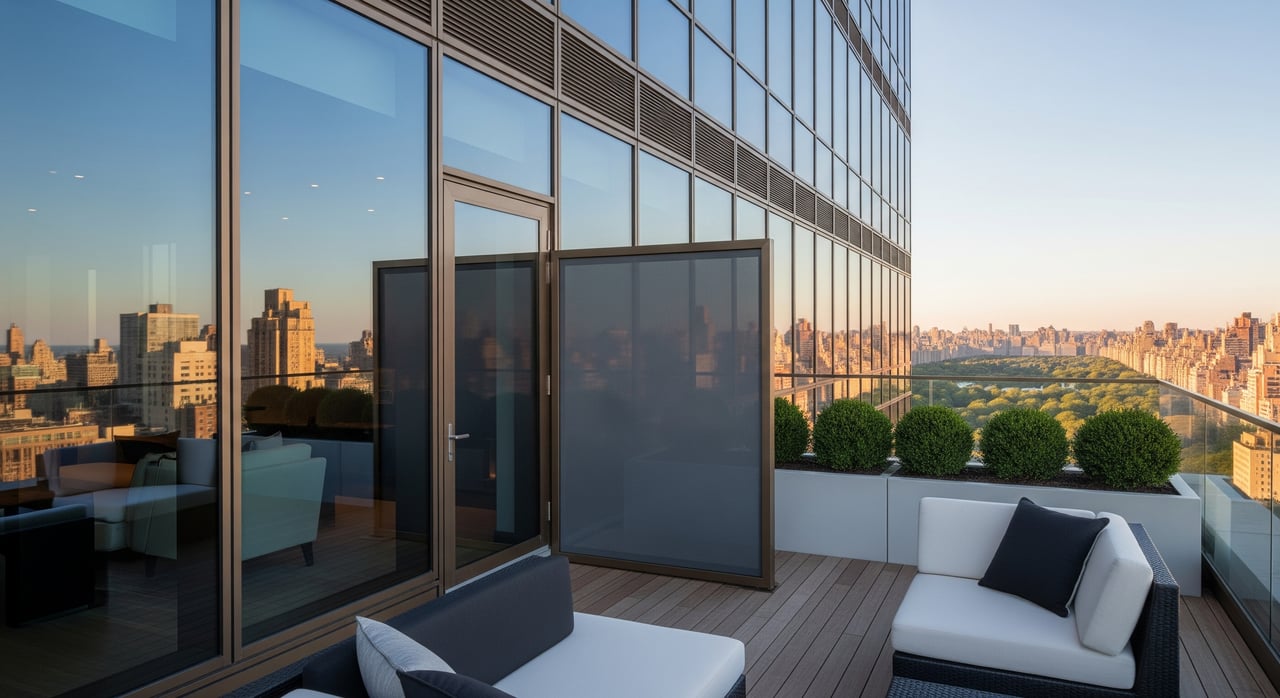
Park views are priceless, but living in a glass tower at Columbus Circle comes with a real challenge: how do you protect your privacy without losing that skyline and Central Park panorama? You want soft daylight, reduced glare, and a calm, gallery-like feel that photographs beautifully for resale. In this guide, you’ll learn how to combine glass choices, films, layered shades, and thoughtful staging to keep your view while staying comfortably private. Let’s dive in.
Columbus Circle light and privacy reality
Units facing south and west see the strongest afternoon sun and glare, while east-facing rooms get bright morning light. Apartments oriented north toward Central Park receive more diffuse daylight, but reflections and visibility into your space can still be a concern. Nightfall flips the equation, since interior lighting makes your rooms visible from outside unless you control it. Most buildings here also set rules for exterior changes, so you should plan any visible treatments with your building management.
Glass choices that keep views
Understanding a few glazing terms helps you make smart choices:
- Visible Light Transmittance (VLT) is how much light passes through the glass. Higher VLT keeps the view bright. Lower VLT reduces glare but can darken interiors.
- Visible Reflectance affects how mirror-like the glass looks. Higher reflectance can boost daytime privacy but may introduce distracting reflections in person and in photos.
- Solar Heat Gain Coefficient (SHGC) controls how much solar heat enters. Lower SHGC helps reduce heat and glare.
When possible, look for NFRC-rated performance data so you know exactly what you are getting.
Smart glazing strategies
- Low-E coatings are a strong first step if you are replacing glass. They improve energy performance with minimal impact on clarity and color.
- Tinted glass lowers VLT and glare, but it can shift color and subtly change your park view. Use with caution if you value true-to-life colors and high-end photography.
- Patterned or fritted glass helps with privacy in targeted bands and reduces bird collisions. These are permanent and typically require approvals.
- Insulated glazing boosts comfort and can reduce street noise while preserving clarity when specified correctly.
When to consider dynamic glass
Electrochromic glazing lets you dial the tint level for glare and privacy without blocking your view. It offers precise control, works well with motorization, and fits luxury expectations. It also carries higher upfront cost and may require integration with building systems. If you are planning a substantial renovation, this is worth exploring.
Films that balance privacy
Retrofit window films can fine-tune light and privacy without replacing glass.
- Non-reflective or matte films reduce glare while keeping a clear view. They are helpful for daily comfort and for photography.
- Reflective films provide strong daytime privacy when the exterior is brighter than the interior, but they can make the glass look mirror-like. At night, the effect reverses unless you control interior lighting.
- Blackout films are best for media rooms or bedrooms where you want full privacy, but they will block the view.
- UV-blocking films protect art and furnishings from fading. They do not always reduce glare on their own.
Always confirm compatibility with your existing glazing. Some films can affect manufacturer warranties for sealed units, and visible films may require building approval.
Layered shades for flexibility
Layering gives you day-to-night control without sacrificing the view.
- Sheer plus blackout: Pair a high-transparency sheer or voile that softens light with a second layer that provides full blackout when needed. This is the most versatile setup for living spaces and primary suites.
- Slatted systems: Venetian or wood blinds let you fine-tune angles of light. They create linear shadows that may or may not fit a gallery-like look.
- Woven and screen fabrics: Semi-opaque textures give partial privacy and warmth while preserving views in living areas.
- Motorization and sensors: Automated shades respond to sun levels and keep presentation consistent for showings and photography.
Day and night playbook
- Daytime: Keep sheers down to soften contrast, then raise them for photography if glare is controlled. If needed, lower screen shades partway to frame the view.
- Nighttime: Close the opaque layer before lights come on to prevent silhouettes and direct visibility inside. Do not rely on reflective film alone for night privacy.
Bird-friendly co-benefits
Living by Central Park increases bird activity. Frit patterns, dot patterns, or external screens can reduce collisions while also adding selective privacy. If you plan exterior-facing solutions, coordinate early with building management and follow bird-friendly guidelines.
Furnishing for calm, gallery look
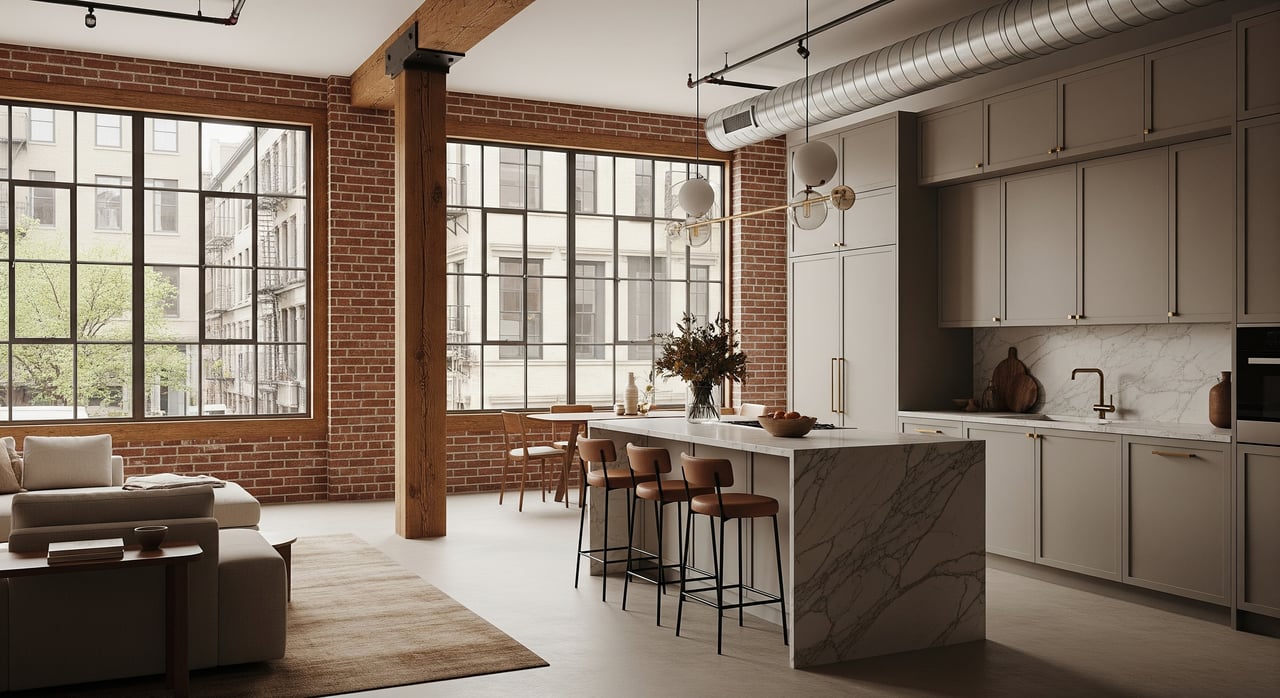
Preserve clear sightlines by orienting seating toward the park and using low-profile furniture near the glass. Avoid placing beds or tall items against windows so you can secure night privacy with dependable opaque shades. Create a quiet “gallery” zone near the glazing with neutral, low-contrast pieces so the view remains the main event.
Materials, color, and lighting
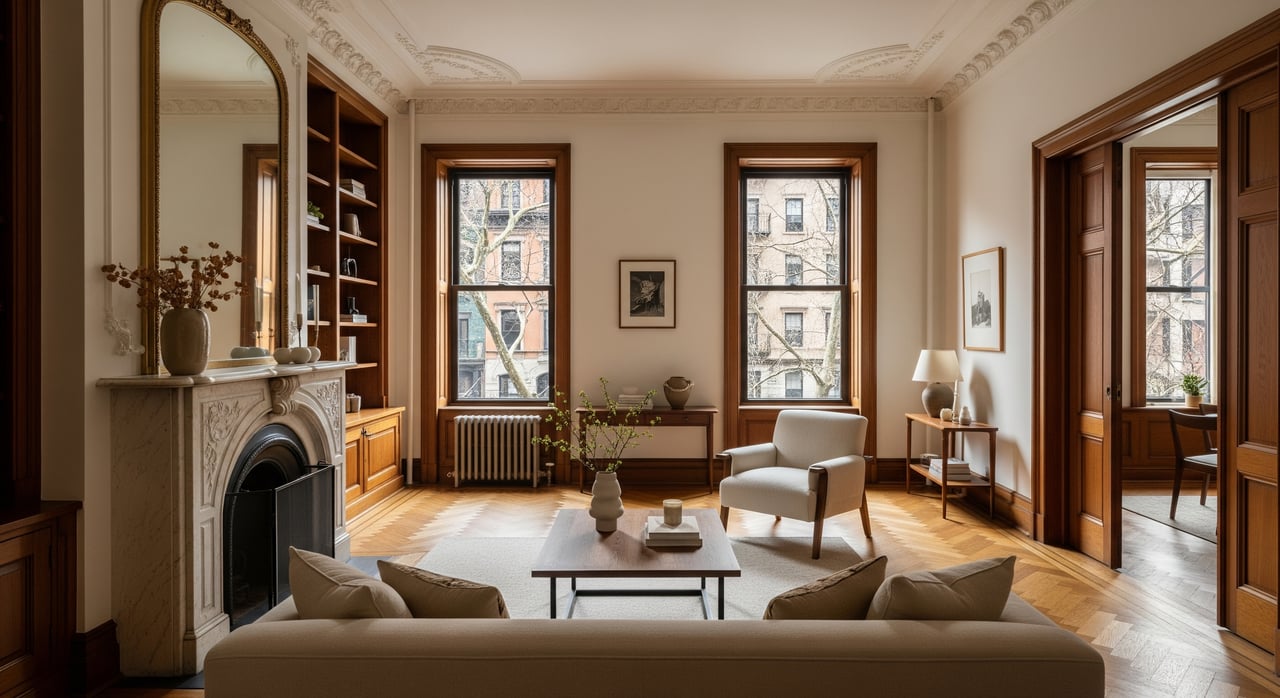
- Choose a restrained, neutral palette near windows to avoid competing with the view.
- Favor matte finishes on walls and casework to reduce reflections.
- Layer lighting with dimmable, high-CRI fixtures for evening comfort and photography. Use controlled, directional lighting for art so it does not wash the glass or show up as glare.
Staging for standout photos
- Balance brightness: For daytime photos, turn off most interior lights and rely on daylight. Add soft fill light only if needed.
- Control reflections: Remove mirrors and glossy items near windows. Pull furniture a few inches off the glass.
- Use camera angles that are slightly off-axis to minimize double reflections in insulated glazing.
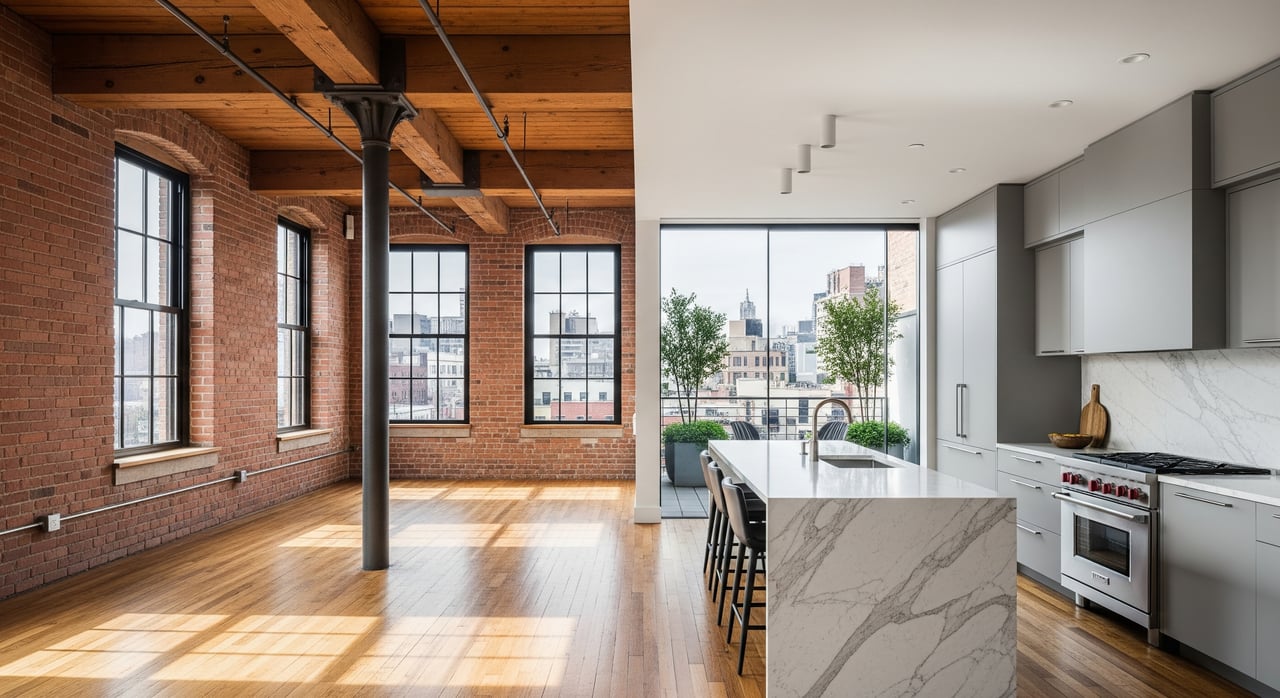
- Consider partially lowered sheers to frame the view and soften contrast, then adjust to showcase the skyline or park as the hero.
Plan, approvals, and upkeep
Start with your condo or co-op bylaws and house rules to learn what is allowed on the façade or visible from outside. For permanent exterior changes, review NYC Department of Buildings guidance, and consult the Landmarks Preservation Commission if relevant. When replacing glazing, ensure compliance with energy standards such as ASHRAE 90.1 and local code, and always request NFRC-rated data so performance is clear.
Experienced installers matter for films and motorized systems, especially in high-rise settings. Confirm warranties, cleaning methods, and expected lifespan. Plan for periodic servicing of motorized shades and review building façade access schedules to coordinate maintenance.
Quick decision checklist
- Confirm building approvals for any visible changes.
- Rank your priorities: view, privacy, glare control, energy savings, bird safety.
- Decide on reversible solutions like interior shades and films or permanent upgrades like new glazing or frits.
- Get NFRC or manufacturer data for VLT, reflectance, SHGC, and U-factor.
- Align materials and colors with a calm, neutral, photo-ready aesthetic.
Ready to refine your space?
If you want a tailored plan that preserves your park view, protects privacy, and elevates your listing photos, let’s talk. Our team advises on presentation strategies that fit building rules and luxury buyer expectations, from shade and film layering to photo-forward staging. Connect with Aloha Luxury Estates to start a discreet, design-smart plan for your Columbus Circle home. Get Your Instant Home Valuation.
FAQs
How do reflective window films perform at night?
- Reflective films provide daytime privacy when it is brighter outside, but at night interior lighting reverses the effect. Use opaque shades for reliable night privacy.
What is the best shade setup for park views?
- A dual-layer system with a high-transparency sheer and an opaque blackout layer preserves daytime views and provides on-demand privacy and darkness when needed.
Do NYC condos require approval for films or exterior changes?
- Many buildings require management or board approval for visible window treatments and films, and exterior changes may also need NYC Department of Buildings or Landmarks review.
Are bird-safe options available that keep clear views?
- Yes. Frit patterns, dot patterns, and external screens can reduce collisions while allowing daylight and selected sightlines to the park.
Will electrochromic glass help resale in Midtown West?
- Dynamic glazing offers premium comfort and control without losing views. It suits high-end renovations, though cost and integration needs should be weighed against market goals.