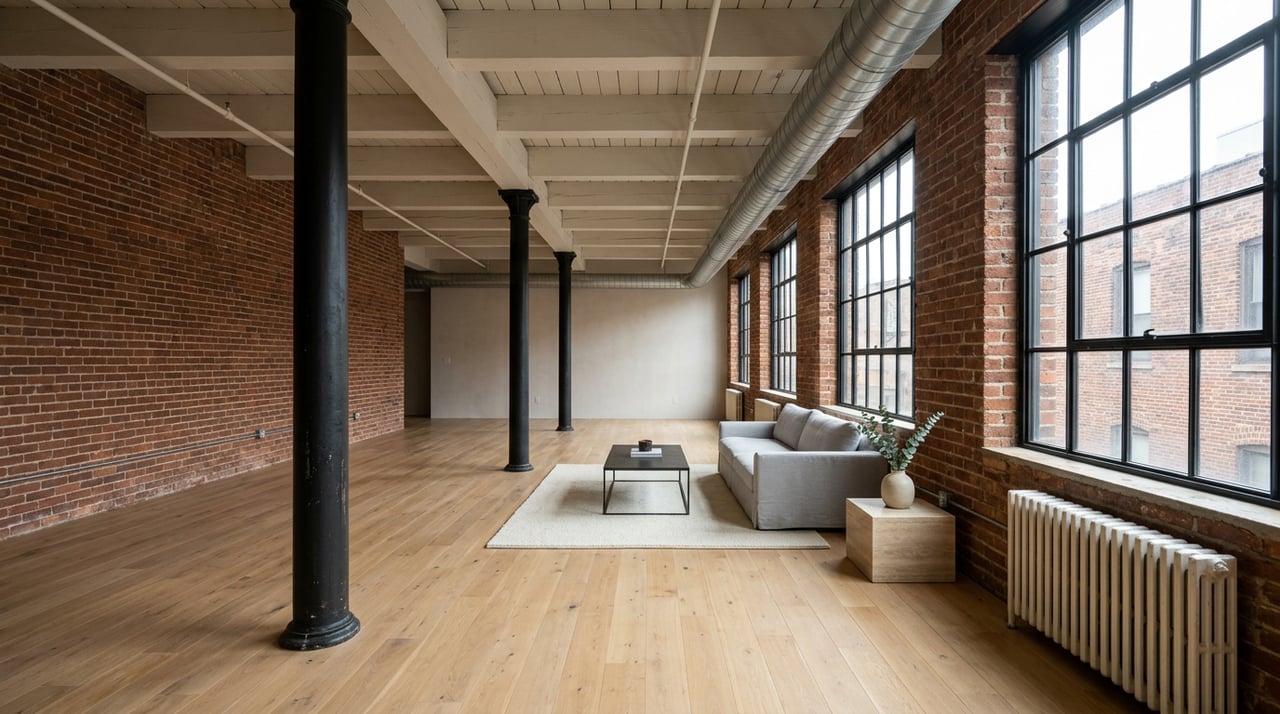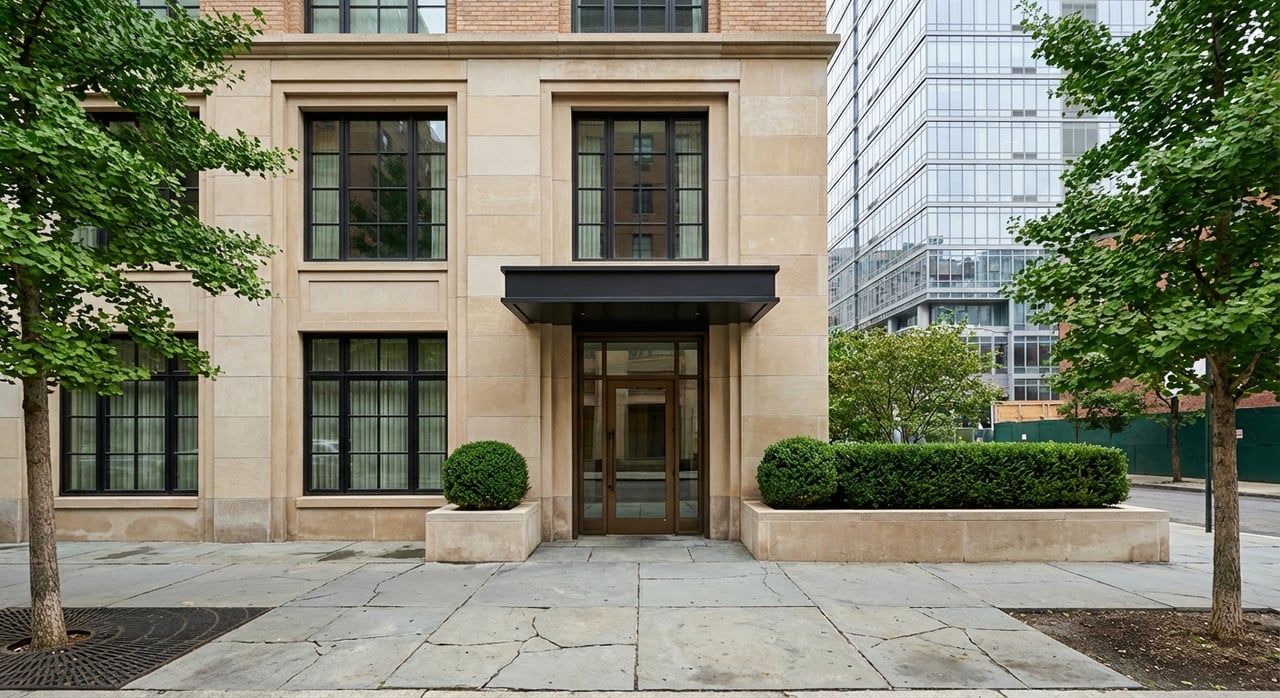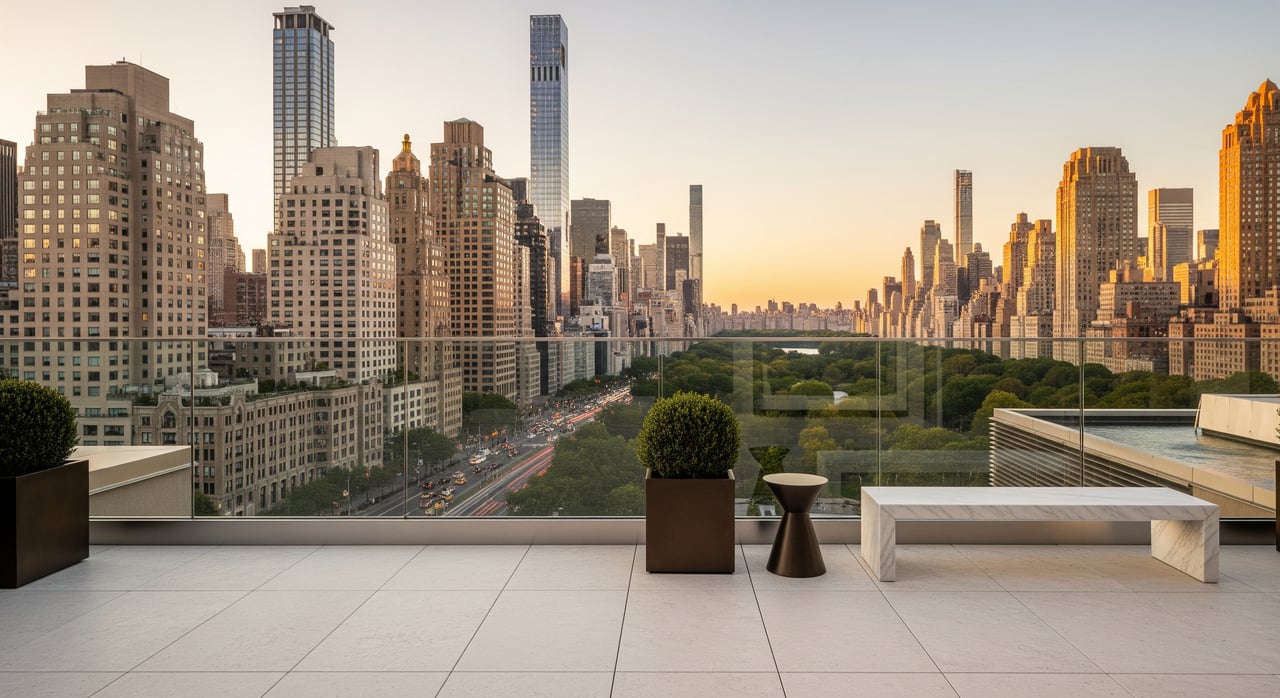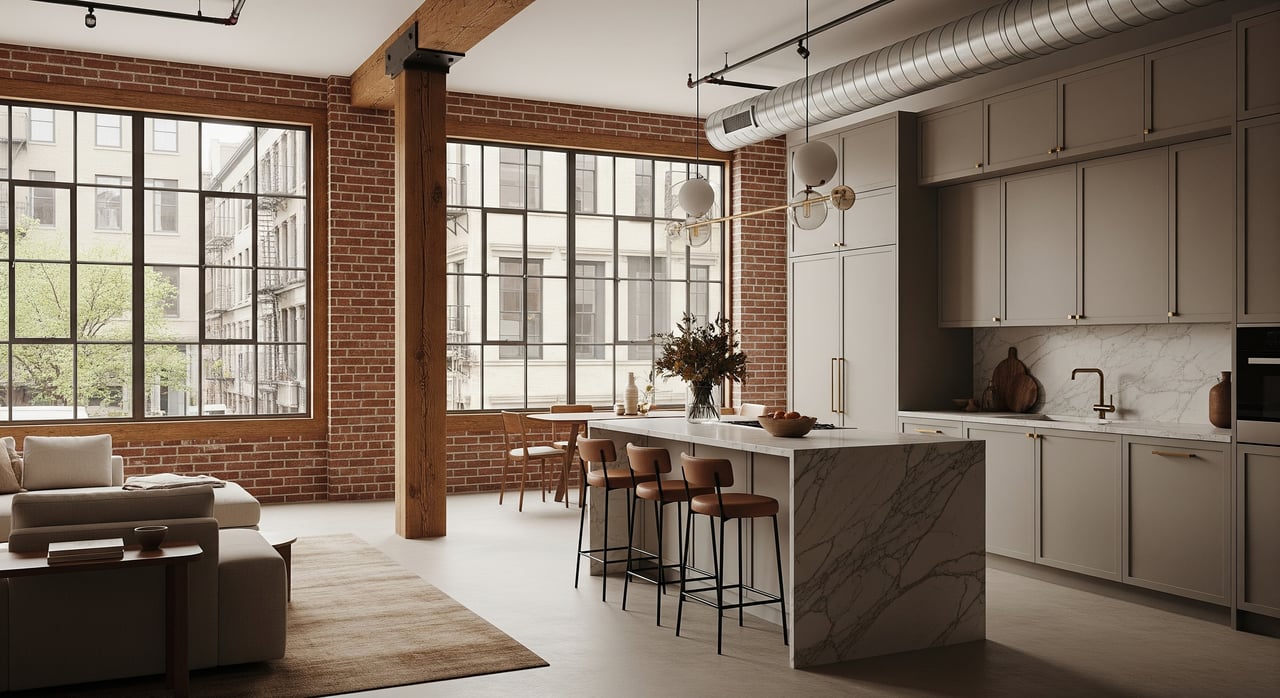
Debating between a sleek sponsor condo and a character-rich SoHo loft resale? With cast-iron facades, high ceilings, and storied industrial bones, SoHo offers both pristine new finishes and rare, historic spaces. Choosing the right path affects your price, timeline, approvals, and renovation options. This guide breaks down the pros and cons, the real costs, and the due diligence that matters in SoHo so you can buy with confidence. Let’s dive in.
Sponsor vs resale basics
What a sponsor sale means
A sponsor unit is owned and sold by the developer under an offering plan filed with the New York Attorney General. You buy based on the plan’s disclosures, specs, and any amendments, sometimes before the building fully completes. The sponsor may control the board until turnover, which can shape early policies and approvals.
What a resale means
A resale is sold by an existing owner. Your contract and closing follow the building’s established governing documents, board policies, and financial history. You benefit from a visible track record, including budgets, board minutes, and prior sales.
Why this matters in SoHo
SoHo’s core inventory includes landmarked cast-iron loft conversions and boutique new condos. Many buildings sit in the SoHo-Cast Iron Historic District, which means exterior changes require Landmarks approval. Some lofts also intersect with the NYC Loft Law, so verifying legal residential status is essential before you proceed.
Price, incentives, and closing costs
Sponsor deal economics in SoHo
Sponsors may offer incentives such as closing-cost credits, upgrades, or mortgage rate buydowns. Early common charges can be set low in pro forma budgets and may rise after turnover. In a high-demand area like SoHo, incentives can be modest and vary by project, absorption, and timing.
Resale pricing signals
Resale pricing reflects actual market comparables and a building’s operating history. You can review reserve levels and past assessments to gauge true carrying costs. Unique architectural features in loft resales can carry premiums that new sponsor finishes may not replicate.
What to expect at closing
For sponsor purchases, closing costs and incentives are governed by the offering plan and the negotiated contract. For resales, customary buyer and seller expenses apply, though you can negotiate credits. Always compare the net effect of any incentive to the market value and long-term costs.
Financing and appraisal
Lender view of sponsor buildings
Some lenders apply additional scrutiny to newly completed sponsor buildings, including a review of the offering plan, budget, and sponsor strength. If many units remain unsold, financing can be more restrictive. Pre-construction appraisals may rely on area comps and carry a risk of shortfall if the market shifts.
Appraisals and comps for resales
Financing in established buildings is often more straightforward. Appraisals leverage recorded sales in the same property or nearby comparable lofts. Your pre-approval should confirm lender comfort with the specific building profile, whether sponsor or resale.
Timeline and approvals
Sponsor timing and flexibility
If you buy pre-construction, your closing waits on completion, filings, and approvals, which can shift. Some sponsors offer flexible closing windows or staged deposits. Plan for potential delays and confirm completion standards, obligations, and any remedies in the offering plan.
Resale speed and board approvals
Resales typically close faster, often 30 to 60 days, depending on financing and board approval. In condos, approvals are usually lighter than in co-ops. In older SoHo buildings, expect extra time for board processes or final Department of Buildings sign-offs where needed.
Renovation and design control
Customizing a sponsor unit
Buying early can give you pre-move-in customization within the bounds of the offering plan and building structure. You avoid retrofitting around existing conditions, which simplifies layout and finish choices. Exterior changes still require Landmarks approval in the historic district.
Renovating a resale loft in a landmark
Turnkey resales allow immediate occupancy, but post-closing renovations require building approvals and DOB permits. In landmark districts, exterior alterations must go through the Landmarks Preservation Commission. Interior changes in older lofts can be complex and benefit from an architect’s review.
Building health and long-term costs
Early budgets in sponsor projects
Pro forma budgets and reserves are projections that often evolve after turnover. Common charges can adjust as real operating costs materialize. If unsold inventory remains, it may influence cash flow and amenity delivery until absorption stabilizes.
Reading a resale building’s history
Resale buyers can review audited financials, reserve balances, and board minutes to see planned capital projects and policies. This transparency helps you assess future assessments and long-term affordability. Mixed-use elements and historic systems also factor into maintenance planning.
Decision matrix: which fits your goals?
| Buyer priority | Sponsor unit | Resale unit |
|---|---|---|
| Timeline | Longer and subject to construction. May offer flexible windows. | Shorter and more predictable. Co-op approvals can extend timing. |
| Customization before move-in | High if bought early within plan limits. | Low at purchase. Renovations possible post-close with approvals. |
| Certainty of finished product | Lower until completion and walkthroughs. | High. You inspect the exact unit and finishes. |
| Upfront incentives | Often available, project specific. | Negotiable, typically fewer in high-demand markets. |
| Ongoing cost predictability | Lower. Budgets are projections pre-turnover. | Higher. Historical statements are available. |
| Historic character | Typically modern finishes and systems. | Often rich loft details and unique features. |
| Risk tolerance required | Higher. Construction and sponsor performance risks. | Lower for completion risk. Still inspect thoroughly. |
| Best for buyers who want | New systems, warranties, customization. | Immediate occupancy, proven building operations. |
Due diligence checklist for SoHo lofts
- Governing documents and offering materials
- For condos: offering plan and amendments, declaration, bylaws, budget, unit plans and specs, storage or parking schedules.
- For co-ops: proprietary lease, bylaws, financials, and board policies. For sponsor units, add disclosures, construction schedule, amenities, warranties, and escrows.
- Financial documents
- Latest audited or unaudited financials, YTD operating statements, reserve balances, assessment history, and pro forma assumptions for sponsor buildings.
- Building history and minutes
- Review 12 to 24 months of board minutes to surface disputes, capital plans, litigation, and policy changes.
- Permits, violations, and Certificate of Occupancy
- Check DOB records, open violations, and C of O. For loft conversions, confirm Loft Board status and legalization.
- Title and recording checks
- Search ACRIS for deeds, mortgages, liens, and easements. In co-ops, confirm the underlying mortgage status.
- Physical inspection and technical reviews
- Use inspectors experienced with loft structures, environmental concerns, and prior alterations. Consider an engineer or architect for structural reviews.
- Neighborhood and landmark constraints
- Verify LPC files for exterior work history and typical conditions. Note any restrictions on windows, facades, or rooftop elements.
- Financing readiness
- Obtain pre-approval from lenders comfortable with sponsor or resale buildings and confirm appraisal methodologies for SoHo comps.
- Contractual protections and contingencies
- In sponsor contracts, review deposits, escrows, completion obligations, and termination rights. In resales, align inspection, financing, and board approval contingencies.
- Professional team
- Engage a NYC real estate attorney, an architect or designer if renovating, and a broker with SoHo-specific experience.
Buyer profiles: quick recommendations
- You want turnkey and predictability. Consider well-reviewed resale lofts that are move-in ready. You benefit from known operating costs and the ability to inspect the exact unit.
- You want customization and new systems. A sponsor unit purchased early can deliver tailored finishes and warranties. Confirm limits in the offering plan and expected completion.
- You value historic character. Focus on legal, documented resale lofts with authentic features. Verify Landmarks and Loft Board compliance to protect value and timeline.
Next steps
- Start with lender pre-approval tailored to sponsor vs resale buildings.
- Obtain and review the offering plan or building documents with your attorney before you sign.
- Order DOB, Loft Board, and ACRIS searches and read recent board minutes.
- Tour the building and unit. For resales, schedule a full inspection. For sponsor units, review the construction schedule and warranties and request a site visit when possible.
- If you plan to renovate, consult an architect and contractor on scope, permitting, timeline, and Landmarks requirements.
If you want a clear, side-by-side look at specific SoHo buildings or a discreet preview of upcoming sponsor and resale opportunities, reach out to Aloha Luxury Estates for tailored guidance and access. When you are ready, Aloha Luxury Estates is here to help you choose with confidence.
FAQs
What is a sponsor unit in SoHo and how is it sold?
- A sponsor unit is sold by the developer under an offering plan that sets specs, obligations, and timelines, sometimes before full completion.
How do SoHo closing timelines differ for sponsor vs resale?
- Sponsor timelines depend on construction and filings, while resales often close in 30 to 60 days subject to financing and board approval.
Are there special renovation rules in SoHo’s historic district?
- Yes, exterior changes usually require Landmarks approval, and interior alterations need building approvals and DOB permits.
What financing issues should I expect with sponsor buildings?
- Some lenders require extra review of the offering plan and budgets, especially if many units remain unsold, which can affect loan options.
How can I verify a SoHo loft’s legal residential status?
- Confirm the Certificate of Occupancy, check Loft Board records for legalization, and have your attorney review the building’s documentation.
What due diligence best protects me before I sign?
- Review governing documents and financials, check DOB and ACRIS records, read board minutes, secure pre-approval, and hire an experienced inspector and attorney.