Torn between a classic Tribeca loft and a sleek new development condo? You are not alone. Both options offer incredible living, but they feel different, cost different, and perform differently at resale. In this guide, you will get a clear, side‑by‑side view of how each product type handles space, light, sound, amenities, monthly costs, approvals, and long‑term value. Let’s dive in.
What truly sets them apart
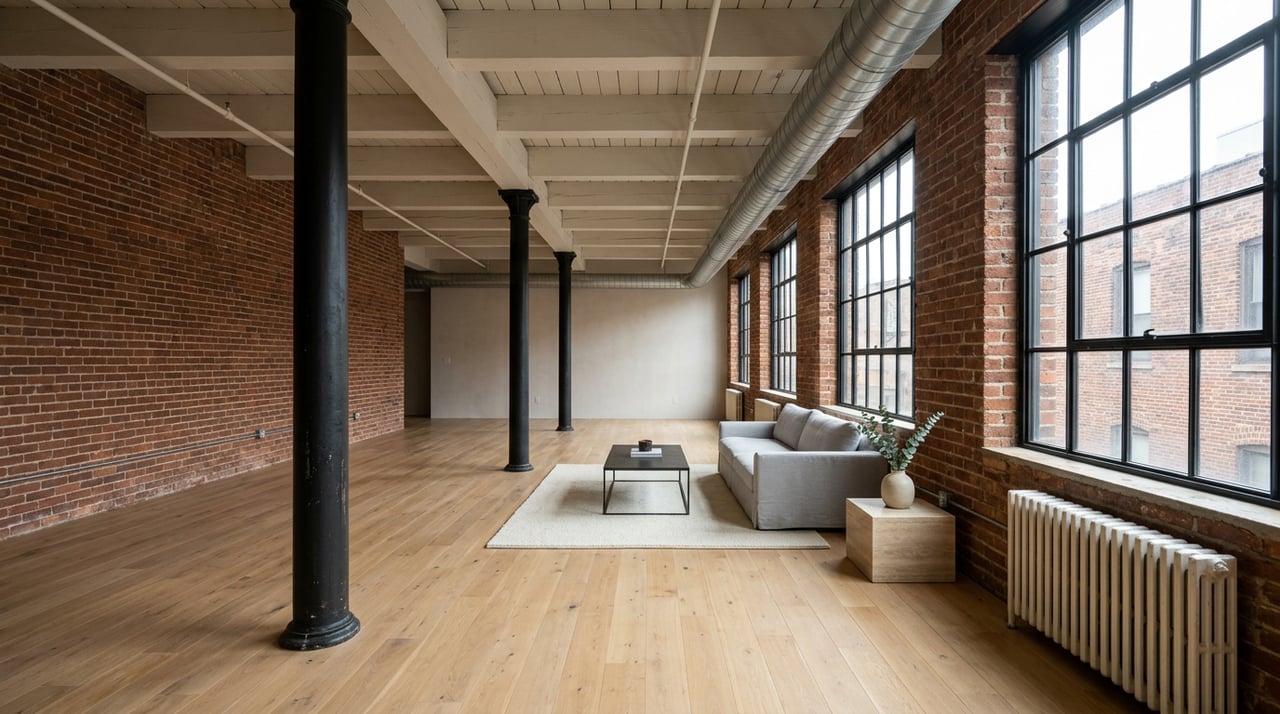
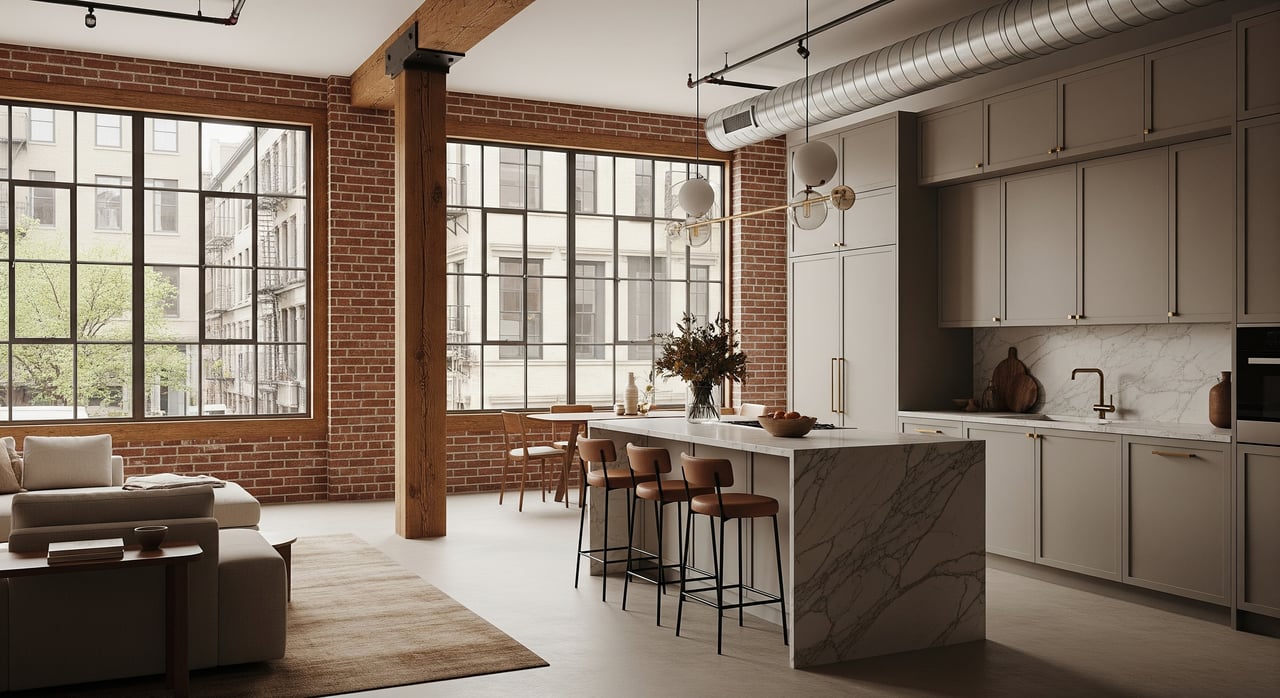
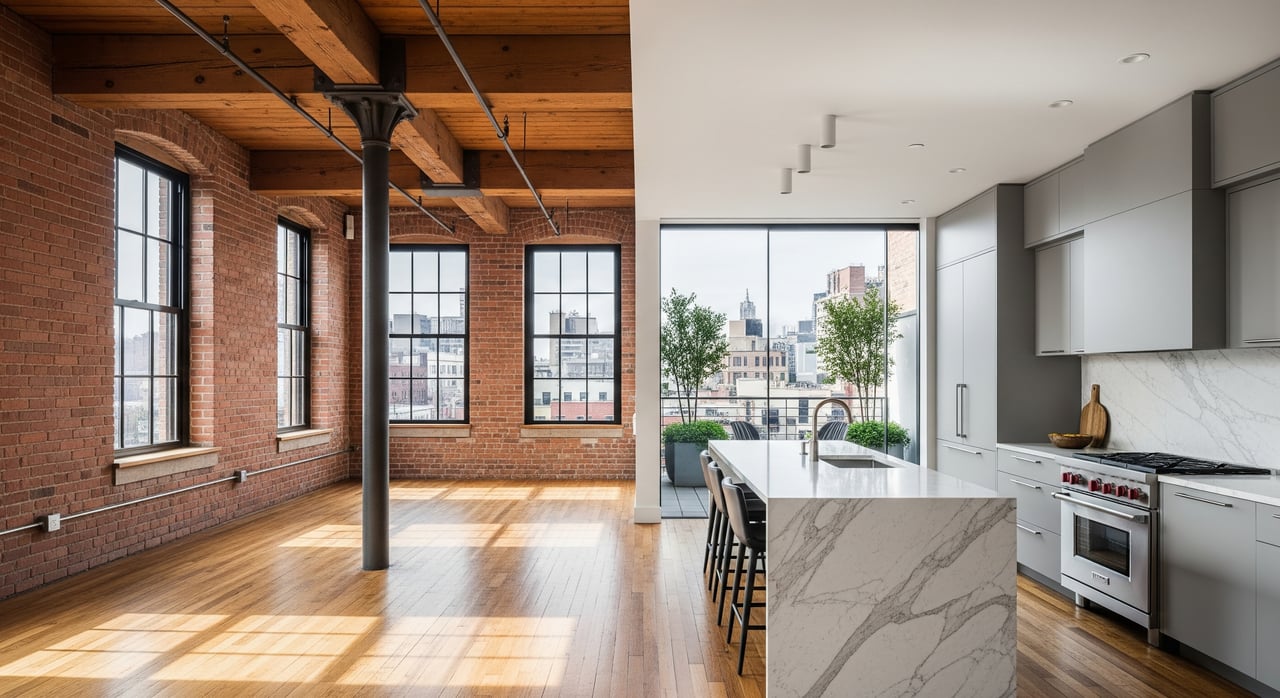
Historic Tribeca lofts grew from 19th and early 20th century industrial buildings, often converted to residential use. Expect volume, character, and open plans with exposed beams, brick, and steel. Many buyers fall in love with the uninterrupted floorplates and the sense of scale these spaces deliver.
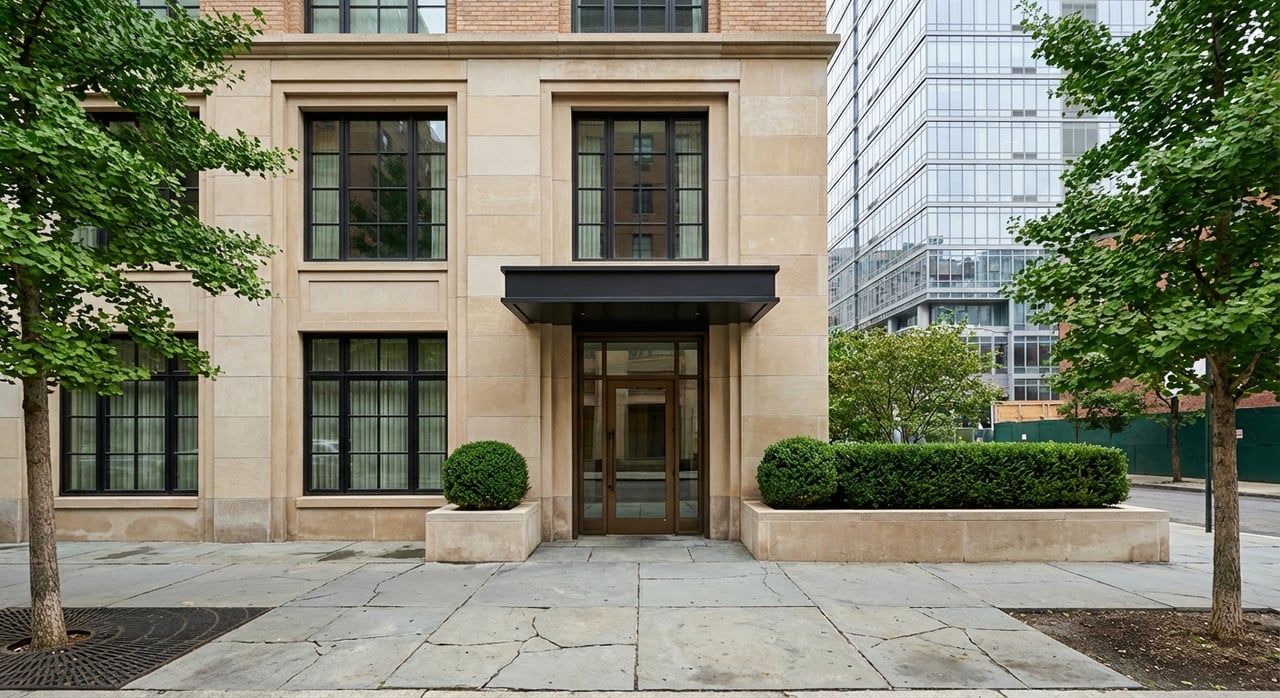
New developments are purpose‑built for residential living. You get modern mechanical, electrical, and plumbing systems, insulated envelopes, defined rooms, and curated amenities like a doorman, fitness center, and package rooms. Finishes tend to be turn‑key and designed for low‑friction living.
If you crave authenticity, flexibility, and a big single‑level canvas, a loft may feel perfect. If you want predictable systems, services, and a full amenity stack, new development will likely fit better.
Space, ceilings, and light
Ceiling height and volume
- Tribeca lofts often feature 10 to 16 foot ceilings, and 12 foot ceilings are common selling points. The added height can allow lofted areas and an art‑friendly wall plane. The tradeoff is higher air volume to heat and cool.
- New development condos typically offer about 8.5 to 10 foot ceilings, with premium product and penthouses stretching to 10 to 12 feet. You get a generous feel with less energy load compared with very tall loft volumes.
Windows and daylight
- Lofts use large factory‑style openings that wash interiors with daylight. Thermal performance varies with window age and glazing, so comfort and efficiency can depend on upgrades.
- New development window walls and insulated glazing improve UV and thermal control. Layouts are often planned to place main living spaces on the best exposures.
For a visual sense of authentic loft character, you can browse design features in general coverage from Architectural Digest on loft conversions.
Sound and privacy
- Lofts may have older floor assemblies and original windows that transmit impact or street noise. Heavy masonry can block some frequencies well, but you should still test for noise at different times of day.
- New developments are built to modern standards with better sound attenuation between units. That said, in‑building amenities like gyms and pools concentrate activity, and poorly isolated mechanicals can carry low‑frequency sound.
Your best move is to schedule listening visits during weekdays and weekends, morning and evening, to check street activity, neighbor movement, and any elevator or amenity noise.
Systems, comfort, and efficiency
- Many Tribeca loft conversions use in‑unit radiators, baseboard, window A/C, or retrofitted central HVAC. Comfort can be excellent if upgrades were done correctly, but performance varies by building.
- New developments deliver modern HVAC and ventilation with zoning for better temperature and humidity control, plus energy‑efficient envelopes.
If you are comparing older buildings, ask about the age of HVAC equipment, window upgrades, and insulation levels. In pre‑1978 buildings, plan for standard environmental diligence on finishes and prior work, and consult the EPA’s lead paint guidance if renovations are on your horizon.
Rules, approvals, and red tape
Landmarks and exterior work
Tribeca includes multiple historic districts and landmarked buildings. Exterior changes like window replacements, cornice repairs, or rooftop bulkheads often require review by the NYC Landmarks Preservation Commission. Interior work is usually not under Landmarks jurisdiction unless the interior is individually designated. This can add time and cost to exterior or rooftop changes.
Loft Law and legal status
Some lofts were legalized as residences under the state’s Loft Law. Others became co‑ops or condos through formal conversion. Always verify the legal residential status of a unit, either by checking Loft Board records or the Certificate of Occupancy. The NYC Loft Board and the NYC Department of Buildings are the key sources.
Legal status affects financing, insurance, and resale. Unpermitted residential use can complicate mortgage approvals and coverage.
Co‑op vs condo differences
- Co‑ops remain common in older loft conversions. Co‑op boards can set financing minimums, sublet rules, and approval criteria, which can affect resale timeline and investor interest.
- New development is typically condo, which allows more flexible resale and lease options, though closing costs can be higher for buyers.
Amenities and monthly costs
Amenity load
- New developments often include 24‑hour staff, lounges, gyms, pools, children’s rooms, roof decks, bike storage, and cold storage. These services drive demand, but they also drive common charges.
- Historic loft buildings may offer a doorman, elevator, roof deck, or small gym, but typically at a lighter scale and cost.
What drives carrying costs
Your monthly costs include common charges or co‑op maintenance, property taxes, utilities, insurance, and any assessments. In condos, taxes are billed directly. In co‑ops, tax is typically part of maintenance. For tax basics and assessments, review the NYC Department of Finance.
- New developments: higher fees due to staffing and amenities, but newer systems can help with utility efficiency. Capital reserves are often planned at the sponsor level.
- Older lofts: leaner amenity costs, yet more exposure to special assessments for façade, roof, window, elevator, or mechanical upgrades.
Lenders will scrutinize building financials and reserves. Thin reserves or a heavy assessment history can affect loan approvals, especially in co‑ops.
Lifestyle fit and resale outlook
How you live day to day
- Space vs services: A loft gives you dramatic volume and a flexible canvas. A new development gives you services and convenience that simplify daily life.
- Family needs: New condos offer defined bedroom suites and more predictable closet and bath counts. Lofts can be tailored, but may need build‑outs for separation and privacy.
- Work from home: Lofts make it easy to carve out studio‑scale work areas. New developments offer well‑sealed rooms and better HVAC zoning for long workdays.
- Outdoor space: Private balconies and programmed roof decks are more common in new development. Older buildings sometimes offer roof rights, but approvals and construction can take time.
Resale dynamics
- Tribeca lofts appeal to a focused buyer pool that values authenticity, volume, and character. When legalized and well maintained, these homes command strong prices, although they can take longer to sell in some market cycles.
- New development condos tend to attract a broader local and international audience, including investors who value flexible policies and amenities.
Brand recognition of the developer and the strength of building services can support condo values. For lofts, quality upgrades to windows, HVAC, and the building envelope improve long‑term performance without losing original character.
Renovation and timing
- In landmarked areas, exterior renovations, window swaps, and rooftop work will likely require LPC review. Build this into your timeline and budget.
- In new developments, finish swaps and cosmetic changes are straightforward. Any mechanical changes still require typical building and DOB approvals.
If you plan a major renovation, verify permits and any outstanding violations in the DOB system before you commit.
Due diligence checklist
Use this quick framework before you make an offer:
- Verify legal status: Certificate of Occupancy or Loft Law records via the Loft Board and DOB.
- Review building financials: reserves, assessments, operating budget, and insurance.
- Understand governance: co‑op sublet rules and financing minimums, or condo rental caps and pet policies.
- Inspect systems and envelope: window condition, insulation, HVAC age and service history, roof and façade maintenance.
- Test sound and light: visit multiple times, including evenings and weekends.
- Confirm approvals: landmark status, prior permits, and any open violations.
- Environmental safety: lead paint in pre‑1978 buildings, and standard checks for asbestos in older assemblies. See the EPA’s guidance.
Financial comparison tips
When you model costs, compare apples to apples:
- Price per useful square foot, not just gross figure, since lofts can have expansive but irregular layouts.
- Monthly cost: maintenance or common charges plus taxes and typical utilities.
- Capital outlook: expected projects in 5 to 10 years, such as façade, roof, window, elevator, and HVAC work.
- Resale: likely time to contract for each building type and how board or condo rules influence buyer demand.
Simple decision rubric
Choose a Tribeca loft if you value dramatic volume, historic materials, and a flexible canvas more than on‑site services and plug‑and‑play layouts. Be comfortable with a vintage building’s maintenance profile and a more specialized buyer pool at resale.
Choose a new development if you want modern systems, strong sound and thermal performance, and a full suite of amenities. Expect higher monthly fees for those services, and a broader buyer pool when you sell.
Next steps
Whether you are exploring a cast‑iron corner loft or a glass‑clad new condo near Hudson Square or West SoHo, the right partner helps you spot the details that drive value, comfort, and resale. If you want a hospitality‑forward process backed by development‑level expertise, reach out to Aloha Luxury Estates to map your path with clarity.
FAQs
Are many Tribeca loft buildings landmarked?
- Yes. Much of Tribeca sits in historic districts. Exterior changes like windows or rooftop additions usually need LPC review. Interiors are generally not regulated unless individually designated.
How do I confirm a loft’s legal residential status?
- Verify the Certificate of Occupancy with the NYC Department of Buildings and check any Loft Law registration with the NYC Loft Board.
Do lofts cost more to heat and cool than new condos?
- Often they do. Taller ceilings and older windows increase the volume to condition. Upgraded glazing and modern HVAC can reduce the gap.
Which has better sound control, loft or new development?
- New developments are designed with sound attenuation between units. Lofts may transmit more street or impact noise. Always test at different times of day.
What monthly costs should I expect in each building type?
- Both have common charges or maintenance, taxes, and utilities. New developments carry higher amenity fees. Older lofts may face special assessments for façade, roof, or mechanical upgrades, and tax handling differs by co‑op or condo. Learn the basics with the NYC Department of Finance.