If you dream of sunset views, morning jogs by the water, and a village vibe in the heart of Manhattan, the West Village waterfront may be exactly what you want. You know the area is special, but you might also wonder about noise, flood risk, or how co-ops differ from condos here. In this guide, you’ll learn how the neighborhood is laid out, what trade-offs to expect, and the smart due-diligence steps that help you buy with confidence. Let’s dive in.
Why the West Village waterfront
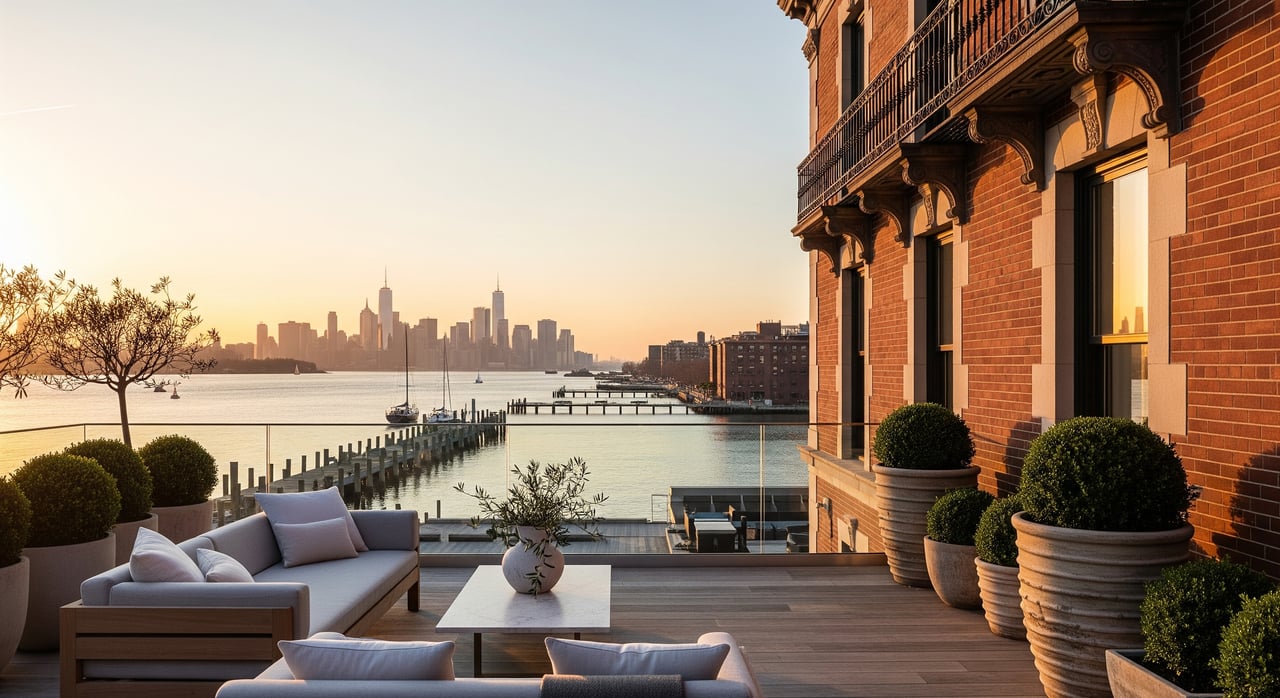
The West Village sits on Manhattan’s west side with the Hudson River and Hudson River Park along its edge. You are close to Chelsea, Meatpacking, Greenwich Village and SoHo, with everyday shops, cafes and culture within easy reach. The waterfront park and greenway add a resort-like layer of open space that connects you to miles of walking and cycling.
Much of the West Village is within local historic districts, which helps preserve the charming streetscape. This influence shows up in the area’s lower-rise feel and the blend of brownstones, loft conversions, and boutique residences. You will not find many tall towers right on the water here, which keeps the skyline intimate and the sidewalks lively.
Hudson River Park at your door
Hudson River Park stretches from Lower Manhattan up the West Side with a continuous esplanade, bike and pedestrian paths, and active piers. You can explore lawns, dog runs, and seasonal programming without leaving the neighborhood. Hudson River Park Trust manages the park and posts maps, pier details, and event calendars so you can see what is happening nearby.
Pier 40 at West Houston Street stands out with sports fields and parking facilities. Other piers and lawns host recreation, community events, and occasional evening activities. Living near the park gives you quick access to nature and wellness, along with a bit more foot traffic when the weather is warm.
Getting around: transit and connectivity
You can walk to multiple subway lines and several bus routes along 8th and 7th Avenues. For route maps and service changes, check the MTA’s official site before you head out. Road access along West Street connects you to the West Side Highway corridor, which can be efficient by car but brings steady traffic along the waterfront.
Water transit options change seasonally and by operator. If you are exploring ferry service, confirm current routes and stops with NYC Ferry. Schedules and stops along the Hudson can shift, so always verify before you plan commutes.
What you will find in buildings
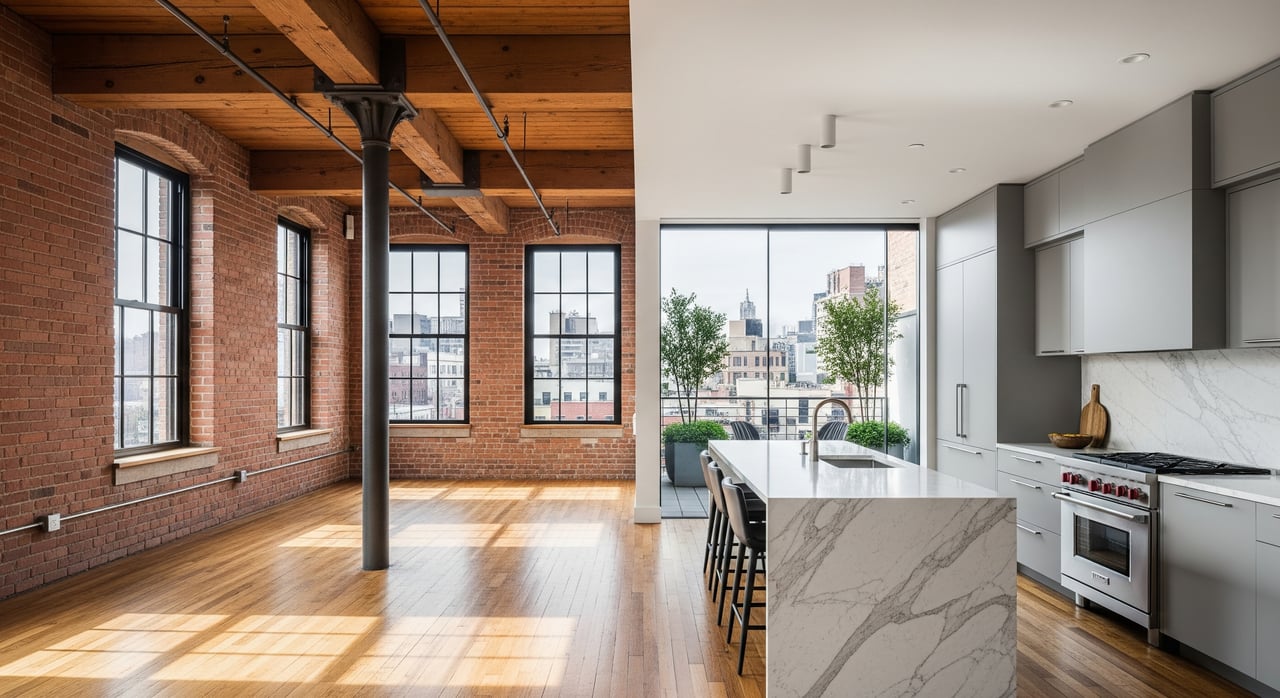
You will see a mix of historic co-ops, loft conversions, townhouses, and boutique condos. Co-ops remain common in older buildings, while new or converted condos tend to cluster at selected infill sites. Many historic walk-ups do not have a doorman or elevator, while larger condos and co-ops may include doorman service, elevators, storage, bike rooms, and in some cases parking.
Waterfront-oriented amenities might include rooftop terraces, shared gardens, or fitness rooms with river views. If outdoor space is important, ask how the building manages and maintains rooftop or courtyard areas.
Landmark rules and the streetscape
The West Village’s landmark districts shape how buildings look and feel. Exterior changes and additions often require review by the Landmarks Preservation Commission. If you are considering a renovation, confirm what is allowed and the approval timeline using the NYC Landmarks Preservation Commission resources.
You should also expect limited private development directly on the park. The waterfront is mostly public open space, and zoning rules along the edge influence building height and bulk. This helps maintain the neighborhood’s lower-profile character.
Views, privacy, and noise trade-offs
Strong sunset and river views tend to show up on upper floors with west-facing windows. On lower floors, trees, nearby buildings, or park activity can limit your view. Being next to the esplanade increases access to open space but may lessen privacy in lower-level units. If privacy is a priority, consider higher floors, corner lines with setbacks, or townhouses with landscaped yards.
Noise can vary by orientation and floor. West Street carries through traffic, including trucks during peak times. River-facing higher floors usually experience less traffic noise but can be windier. Park activity adds vibrancy on weekends and summer evenings. If sound is a concern, visit the block at multiple times to get a realistic read.
Flood risk and climate resilience
The West Village’s western fringe sits at a lower elevation and was affected during major coastal events like Hurricane Sandy in 2012. Flood exposure changes block by block, and even floor by floor. The most reliable way to understand risk is to check the official maps and ask targeted questions about building protections.
- Use the FEMA Flood Map Service Center to see if a property sits in a Special Flood Hazard Area. If your property and mortgage are inside a FEMA-designated zone, lenders typically require flood insurance.
- Review New York City’s coastal tools, including the NYC Flood Hazard Mapper, for local context and resilience planning.
Ask whether building systems are elevated above projected flood levels and whether there are flood barriers, dry floodproofing, or backup power. These details affect safety, operating costs, and insurance considerations.
Due-diligence checklist for buyers
A thorough review protects your investment and helps you compare buildings on more than finishes and views. Consider this checklist as you evaluate options:
Financial and governance
- For co-ops: board package and house rules, meeting minutes, offering plan, maintenance and capital reserves, pending assessments, sublet policies, and any transfer restrictions.
- For condos: offering plan or declaration, HOA budget and reserve study, meeting minutes, special assessments, and rental rules.
- For all buildings: full financial statements, reserves, pending litigation, insurance coverage including flood and wind, and elevator inspection records.
Physical and environmental
- Standard home inspection plus building-envelope review for roof and waterproofing.
- HVAC and mechanical inspections, especially when systems sit on lower levels.
- Flood risk assessment that verifies utility elevation and emergency power plans.
- Noise and vibration assessment if you notice issues during showings.
Title and records
- Search recorded documents and deeds through NYC ACRIS.
- Check open permits, violations, and work history with the NYC Department of Buildings.
Lifestyle verification
- Walk the esplanade and nearby piers on weekdays, evenings, and weekends to gauge crowds and events.
- Map your daily life: gyms, groceries, pharmacies, and pet care. Confirm commute times at rush hour using the MTA’s official site.
Smart questions to ask before you offer
Use these prompts to uncover information that is not obvious at a showing:
- Is the property in a FEMA flood zone and has the building filed any flood-related insurance claims?
- What resiliency upgrades are in place, such as elevated mechanicals, flood doors, or waterproofing?
- What are current reserves and any planned capital projects or special assessments?
- For co-ops, what are sublet rules, pet policies, approval timelines, and typical requirements?
- Are there any planned rooftop amenities, leaseholds, or nearby construction that could affect views, light, or noise?
What to expect with views
Views along the waterfront are a major draw but are not guaranteed forever. Public projects, private infill, or changes to park programming can shift your experience. Before you make an offer that assumes a certain view, check active applications and recent permits through the NYC Department of Buildings and confirm recorded documents on NYC ACRIS. Align your expectations with what is protected by regulation versus what is simply present today.
Who the waterfront fits best
If you value daily park access, boutique architecture, and a short walk to dining and culture, the waterfront can be a perfect fit. You should be comfortable with some seasonal activity along the esplanade and potential traffic along West Street. For families, proximity to parks and playgrounds is a plus; unit type and layout will shape the day-to-day experience.
Buyers who prefer quieter, upper-floor environments should target higher elevations with river-facing lines and good window systems. If you love to step right into the energy of the park, lower floors with terraces can be rewarding. Match the line and floor to your lifestyle.
How we help you buy well
You deserve an advisor who pairs hospitality with rigorous due diligence. We help you verify flood exposure and insurance requirements, read board minutes for risk signals, and understand how landmark rules affect future renovations. We also walk you through on-the-ground lifestyle testing so you know exactly what mornings, weekends, and evenings feel like on your block.
When you are ready to explore West Village waterfront options, connect with Aloha Luxury Estates for private guidance, discreet access, and developer-level insight tailored to you.
FAQs
What defines the West Village waterfront in Manhattan?
- The West Village fronts the Hudson River along West Street and connects to Hudson River Park, with boundaries generally between 14th Street and West Houston.
How do I confirm flood risk for a specific address?
- Review the property on the FEMA Flood Map Service Center and cross-check local detail on the NYC Flood Hazard Mapper.
Are river views guaranteed to remain unchanged?
- No, views are not guaranteed. Verify active permits and proposals with the NYC Department of Buildings and recorded documents on NYC ACRIS.
How noisy is West Street and the esplanade?
- It varies by floor and orientation. Higher, river-facing floors often reduce traffic noise, while lower floors near the esplanade may experience more pedestrian activity.
Where can I find current transit options near the waterfront?
- Use the MTA’s official site for subway and bus updates and check NYC Ferry for current water routes and stop locations.