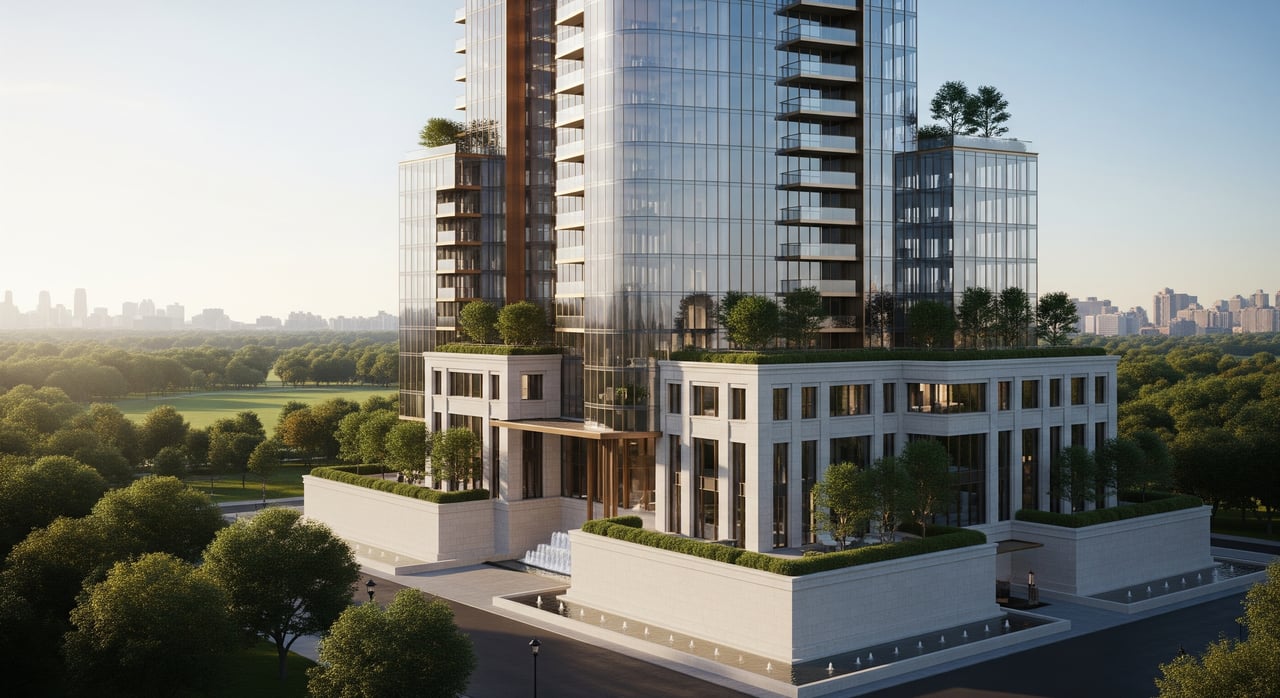
What turns a few Midtown blocks into the most talked‑about addresses in New York City? If you are exploring Central Park South and the 57th Street corridor, you are likely weighing privacy, prestige, and the long view on value. In this guide, you will learn what truly defines Billionaires’ Row, from unobstructed park views to architecture, services, pricing signals, and due diligence that protects your investment. Let’s dive in.
Where Billionaires’ Row begins
At its core, Billionaires’ Row refers to the ultra‑luxury corridor centered on 57th Street between Fifth and Seventh Avenues, with many market watchers including Central Park South along 59th Street from Fifth to Eighth Avenues. These addresses trade heavily on direct Central Park views, proximity to cultural landmarks, and a level of service that few buildings can match. Inventory is scarce, sightlines are rare, and the combination creates a micro‑market with its own rules.
What defines ultra luxury here
Unobstructed park views
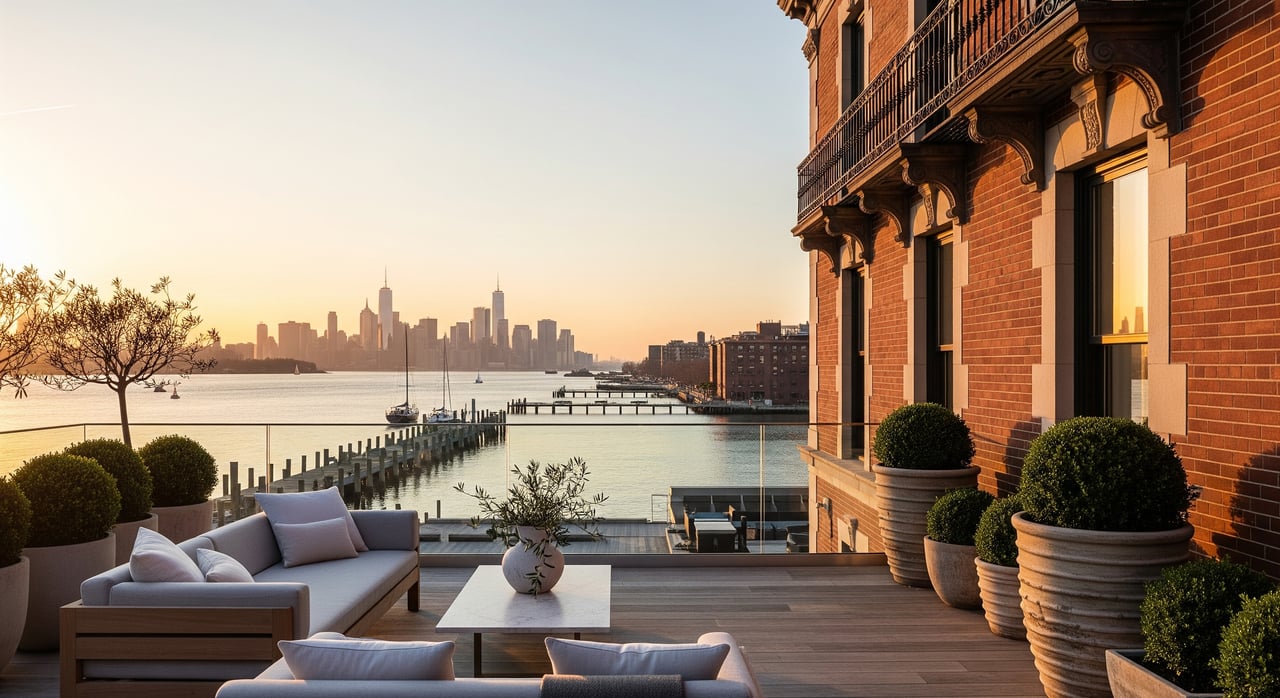
Permanent, wide Central Park vistas are the non‑replicable asset. Buyers prize southern and southeastern exposures across the treetops, seasonal color shifts, and skyline panoramas. You should verify sightline permanence, nearby development prospects, and the height of surrounding buildings before committing.
Scarcity and air rights
Direct park frontage is limited. Developers have used zoning lot mergers and air‑rights transfers to assemble sites for slender supertall towers that maximize vertical value. These “pencil” towers exist to capture view corridors and command premium pricing per square foot.
Architecture and branding
Architect pedigree matters. Projects that feature recognized designers or that reference timeless materials like limestone often carry a branding premium. Some towers communicate classical restraint, while others emphasize a signature modern silhouette. Each signals a different collector appeal.
Residences and interiors
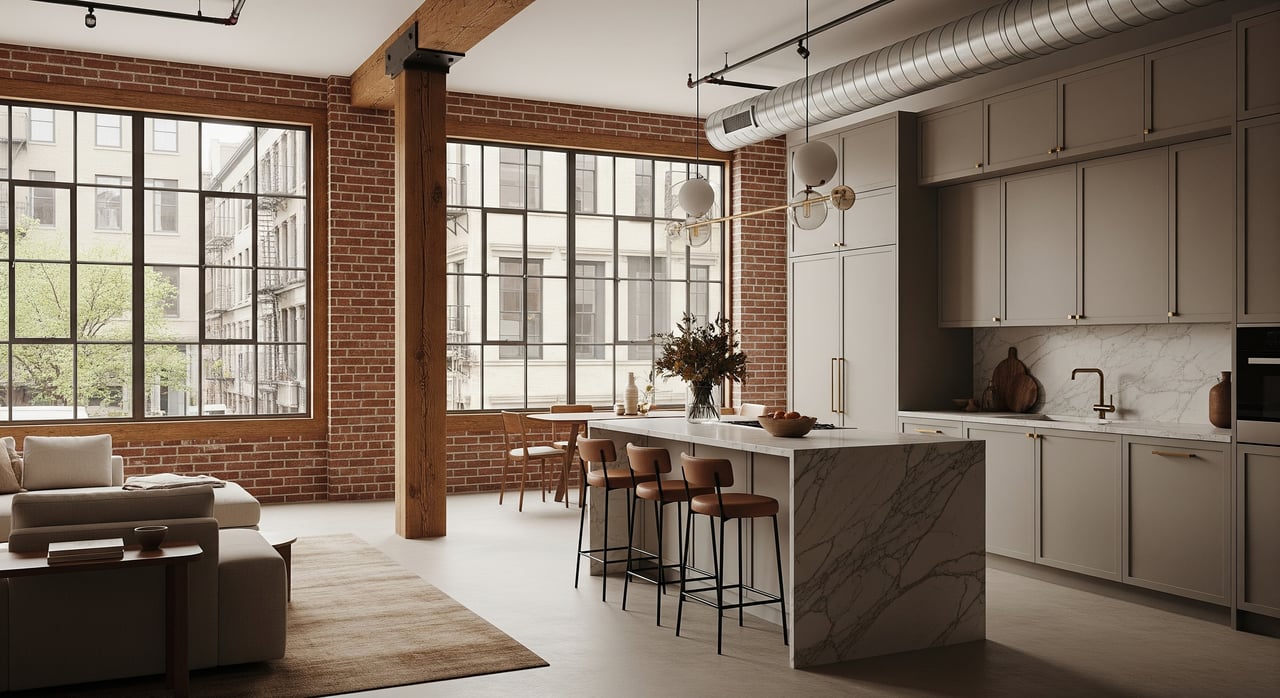
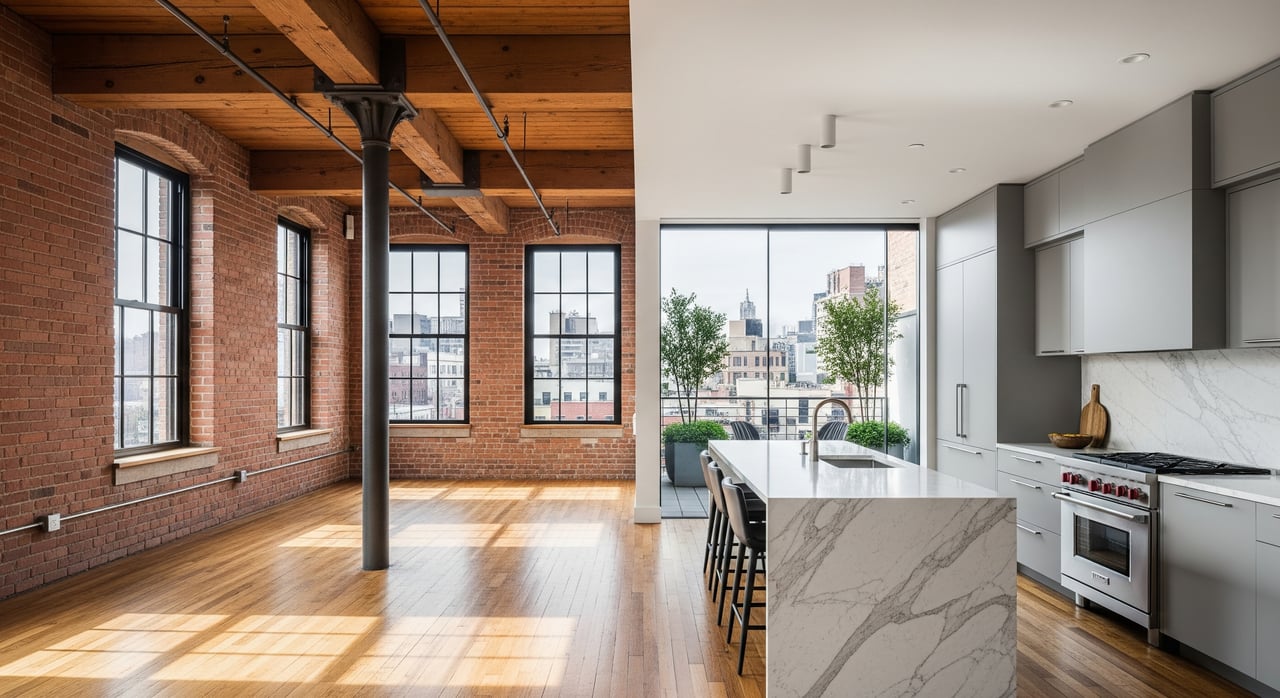
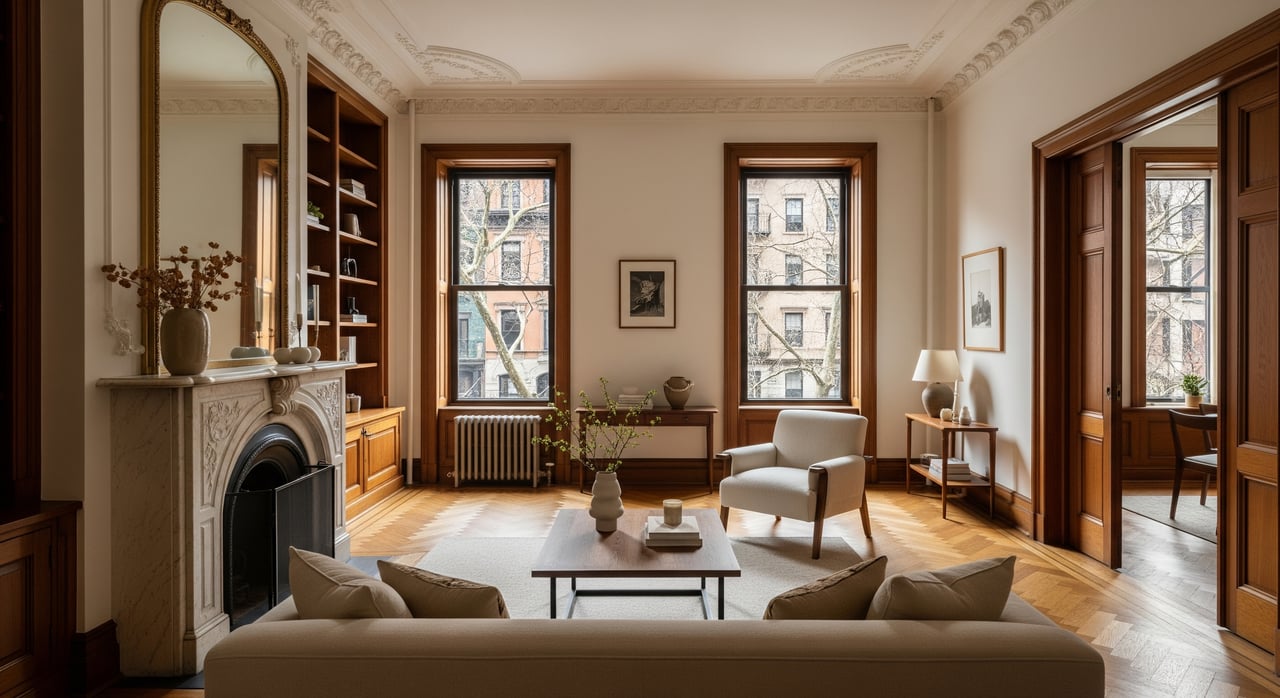
Expect floor‑through layouts, full‑floor homes, and duplex or triplex penthouses with soaring ceilings. Finishes tend to be bespoke, with customized millwork, integrated smart systems, oversized glazing, and high acoustic and thermal performance. Many buildings intentionally limit unit counts to preserve privacy and pricing power.
Services and amenities
The service stack often includes private or keyed elevators, 24/7 concierge, fitness and spa facilities, pools, private dining rooms, screening rooms, and children’s spaces. Staff‑to‑unit ratios and service quality drive operating costs and buyer expectations. Private storage, wine cellars, valet, and discreet drop‑offs are common.
Privacy and ownership structures
Discrete entries, secure lobbies, and private elevator landings are standard in this segment. Condominiums dominate for flexibility, including purchases by international buyers. Co‑ops remain near the park edges, but they typically have more restrictive approval standards.
Culture and lifestyle access
From Fifth Avenue retail to Carnegie Hall and Lincoln Center, the immediate cultural network is a major draw. You also enjoy front‑row access to Central Park’s formal landscapes and activities. The surrounding hospitality scene offers fine dining and iconic hotels, which adds daily convenience for residents and guests.
Towers that set the standard
220 Central Park South
A limestone tower by a celebrated architect, 220 Central Park South has been defined by craftsmanship, classic detailing, and discretion rather than sheer height. A widely reported purchase here set a Manhattan record at about $238 million for a single residence. The building signals timeless luxury and privacy.
Central Park Tower
Among the tallest residential buildings in the world, Central Park Tower represents the vertical trophy concept. Residences in the sky are paired with branded amenities and sweeping view planes. This tower emphasizes height, skyline presence, and status.
432 Park Avenue
Known for its slender form and square windows, 432 Park Avenue reshaped expectations for ultra‑tall living. Large units, minimalist design, and global visibility make it a polarizing but influential address. It highlights the collector appeal of singular architecture.
One57
An early catalyst for the 57th Street super‑luxury wave, One57 combined hotel programming with high‑end condominiums. It helped establish the corridor’s global identity as a trophy market. The model blends hospitality convenience with private ownership.
111 West 57th Street
Often called the Steinway Tower, this project pairs an ultra‑slender tower with a restored historic base. It showcases air‑rights engineering and a boutique collection of residences. The message is design artistry and limited supply.
Pricing signals and market dynamics
Ultra‑prime residences here trade at the highest price points in the city. Liquidity is naturally thinner, since each home is a large single asset and the buyer pool is specialized. Transaction volume and pricing can swing more than the broader market, with spikes in boom periods and corrections during global uncertainty. Recent years saw fluctuations as inventory was absorbed, followed by pockets of stabilization.
Buyer motivations span status, asset diversification, business or tax considerations, and the desire for flagship city residences or pied‑à‑terres. Domestic family offices and U.S. buyers remain consistent, while international interest can shift with policy and capital controls.
Costs, taxes, and structure
Expect New York State and New York City transfer taxes, recording fees, and other customary closing costs. At very high price points, mansion tax considerations apply. Ongoing expenses include property taxes, substantial common charges, and reserves for premium staffing and amenities. Proposals for additional luxury or pied‑à‑terre taxes have been debated at the state level, so you should verify current rules and any pending bills with your advisory team before purchase.
Risk and due diligence for buyers
View permanence
Park views are the core value driver. Confirm protected corridors, air‑rights positions, and any planned projects that could alter sightlines.
Building finances and governance
Review reserve levels, operating budgets, staff service contracts, and the history of special assessments. Strong governance supports long‑term value.
Engineering and building systems
For supertalls, ask about structural testing, sway mitigation, facade performance, backup power, HVAC systems, and window specifications for sound and thermal control. Maintenance planning is essential.
Reputation and resale liquidity
Some towers have faced resale discounting or publicized issues. Study secondary market activity, sponsor track record, and closed sales for true benchmarks.
Financing and cash strategy
Many purchases are all‑cash, though selective financing is available. Lenders scrutinize valuation and marketability. Align your capital plan with potential liquidity timelines.
A practical buyer checklist
- Confirm view protections and development risks on adjacent lots.
- Evaluate reserves, operating budgets, and governing documents.
- Match unit deliverables to the offering plan, including finish scope and allowances.
- Understand privacy protocols, visitor policies, and staff vetting.
- Assess service levels, amenity operations, and any third‑party management.
- Review engineering reports, backup power, HVAC, and window performance data.
- Model NYC and NYS transfer taxes, mansion tax, and future policy scenarios.
- Analyze recent closed sales in the building and nearby towers, plus average days on market.
For sellers: positioning a park‑facing listing
Your marketing narrative should lead with the attributes buyers actually pay for. View quality and permanence, architect pedigree, unit scale and layout, privacy features, and service standards are the key value signals. Pair those with a detailed overview of common charges, reserves, and governance to build confidence.
High‑impact visuals, discreet showing protocols, and tight comp selection are essential. Pricing should be consultative and data‑informed, recognizing liquidity patterns in this asset class. Expect longer timelines than the broader market and plan a patient, strategic campaign.
How Aloha Luxury Estates helps
You deserve a partner who can blend hospitality with developer‑grade strategy. Aloha Luxury Estates delivers boutique, high‑touch representation backed by new‑development sellout experience, discreet off‑market access, and curated marketing built for ultra‑prime listings. Whether you are evaluating a sky‑level purchase or planning a quiet sale, we align strategy, storytelling, and service so that every detail is handled with care.
Ready to explore Central Park South and Billionaires’ Row with a trusted advisor at your side? Connect with Aloha Luxury Estates to start a confidential conversation or to request an instant home valuation.
FAQs
What streets define Billionaires’ Row in Manhattan?
- The core is 57th Street between Fifth and Seventh Avenues, often extended to include Central Park South along 59th Street where addresses front the park.
Why do Central Park South views command a premium?
- Unobstructed park vistas are scarce and permanent in a dense city, which concentrates demand and supports higher pricing.
Are most Billionaires’ Row residences condos or co‑ops?
- Condominiums dominate for flexibility and international buyer access, while nearby co‑ops exist but usually have more restrictive approvals.
How do amenities influence value on Billionaires’ Row?
- Hotel‑level services, private access, and curated amenities increase operating costs yet drive buyer willingness to pay for privacy and convenience.
What taxes and closing costs should buyers expect?
- You should plan for NYC and NYS transfer taxes, recording fees, and mansion tax at higher price points, plus ongoing property taxes and common charges.
What due diligence protects a trophy purchase?
- Verify view permanence, building reserves and governance, engineering and systems performance, sponsor reputation, and true resale comparables.