The Truth About Buying in a New Development: Managing Expectations in NYC’s Luxury Condo Market
New York City’s skyline is constantly evolving — gleaming glass towers, ultra-luxury residences, and new developments that promise next-level amenities and design. For many buyers, purchasing in a new development feels like the ultimate dream: modern layouts, untouched finishes, and that coveted “first owner” status.
But here’s the truth most brokers won’t tell you — timelines are rarely on time.
The Reality of New Development Timelines
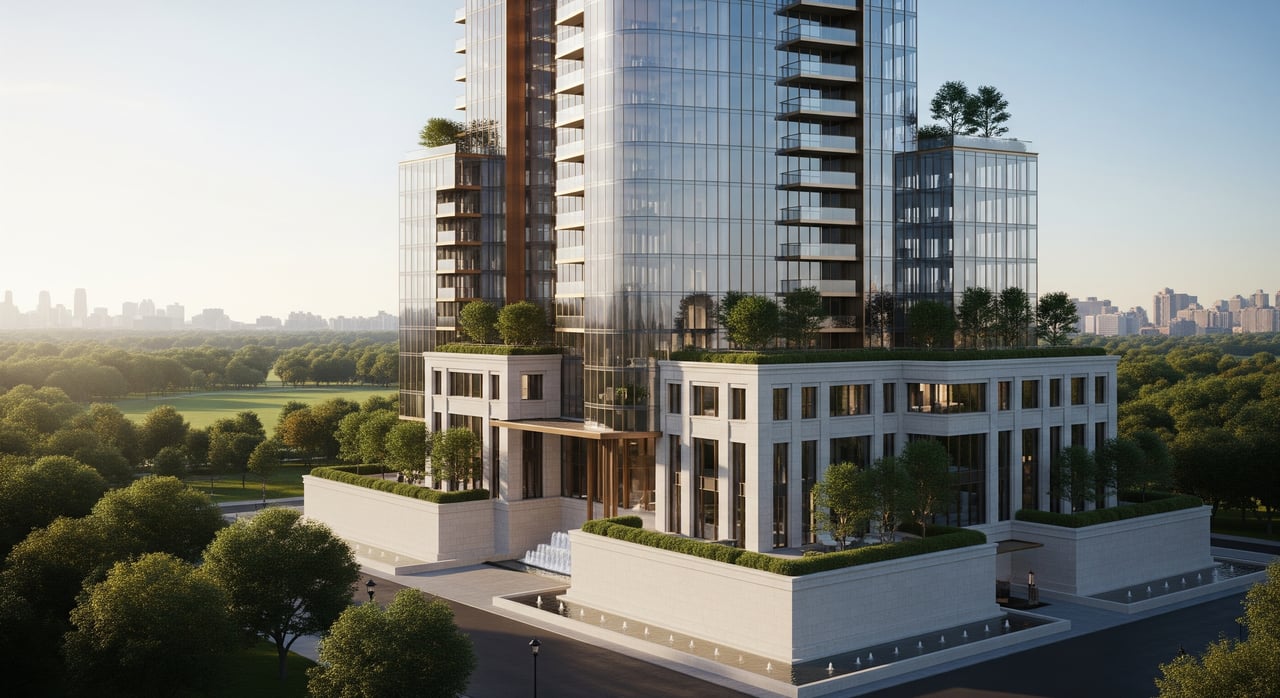
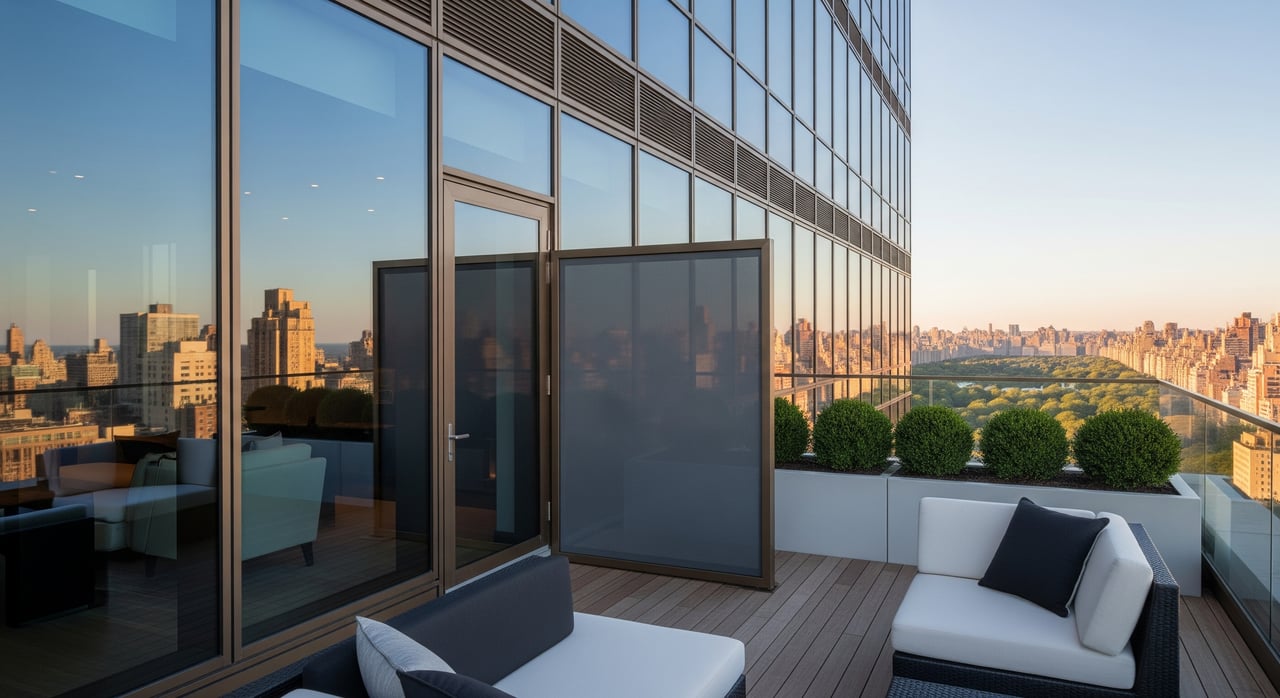
In the glossy renderings, everything looks effortless: sleek kitchens, infinity pools, and floor-to-ceiling windows overlooking Central Park. Behind the scenes, however, new construction involves hundreds of moving parts — permits, inspections, supply chain issues, design adjustments, and sometimes even changes in the development team or financing structure.
Even the most well-respected developers experience delays. A projected Q4 2025 completion can easily become mid-2026 — and that’s normal in NYC.
Whether it’s weather delays, DOB inspections, or finishing trades taking longer than expected, timelines shift. The key isn’t to panic, it’s to plan.
How to Manage Expectations (and Stress Levels)
-
Understand “Projected” vs. “Actual” Completion Dates
Marketing materials often show anticipated completion dates, not guaranteed ones. When the offering plan says “anticipated completion: Fall 2025,” that’s subject to change. A good broker will help you interpret what that really means and guide you through what stage the project is truly in. -
Ask the Right Questions
-
Has the developer received their Temporary Certificate of Occupancy (TCO)?
-
Are common areas being completed on schedule?
-
When do closings realistically begin — and what’s the estimated window?
These questions matter more than the glossy sales timeline.
-
-
Build in Flexibility for Move-In
If you’re selling another property or ending a lease, don’t set a move-out date that assumes your new condo will be ready to close precisely on time. Always build in a few months of buffer. It’s better to be pleasantly surprised than forced into a short-term rental. -
Understand the Deposit Structure
Most new developments require 10–20% down at contract signing, with the balance due at closing. Since closings can take longer than expected, make sure your financing or liquidity plan accounts for that extended period. -
Partner with an Experienced Broker
Working with a broker who specializes in new development isn’t optional — it’s essential. From reviewing offering plans to understanding which developers deliver on time (and which don’t), your broker is your greatest asset in navigating uncertainty.
Patience Pays Off
When it finally happens....when you walk into your pristine new home and see the skyline through those untouched windows — it’s worth the wait. The delays and back-and-forth will fade, replaced by the satisfaction of owning something extraordinary in the city that never sleeps.
Buying in a new development is not for the impatient; it’s for the visionary. Those who understand that great things take time and that in New York City, perfection is always worth the wait.