What if your next boutique condo sold faster and aged better than a skyline trophy? In a city of supertalls and amenity cities, you can still win by leaning into what high‑value buyers actually want: privacy, livable layouts, and predictable ownership costs. In this guide, you’ll learn how to set pricing bands, curate amenities that pull their weight, craft floor plans that convert, and time your launch to meet real demand. Let’s dive in.
Quick-win checklist
- Build hyperlocal comps and bands
- Pull 12–24 months of closed comps by bedroom, plan type, and PSF on your immediate blocks. Use borough trends to frame your tiers and new‑development premium. Reference decade trends for context in the Elliman and Miller Samuel analysis.
- Model operating costs upfront
- Present a 10‑year amenity and staffing plan with HOA sensitivity. Prioritize low‑maintenance or fee‑based offerings as advised in amenity ROI guidance from Leni.
- Proof your floor plans
- Test 2–3 layouts with target buyers and a small broker roundtable to confirm work‑from‑home needs, primary‑suite expectations, and storage flow.
- Sequence brokers with intent
- Start with a discrete list of top Manhattan teams, then widen cadence. Time previews and releases to weekly luxury activity tracked by Olshan’s $4M+ report.
- Lead with owner economics
- Compare common charges, taxes, and reserves against megatowers. Explain how curated amenities deliver a better day‑to‑day experience with lower O&M exposure, consistent with Leni’s guidance.
Market realities now
Manhattan’s luxury tier continues to drive outsized dollar volume, while new development commands a premium to resales, according to the decade trends summarized by Douglas Elliman and Miller Samuel. Their data shows the top deciles carry stronger price and velocity profiles, which creates windows for well‑positioned boutique inventory when supply is lean. Review the borough’s decade view to anchor your pricing rationale and absorption plan in the Elliman and Miller Samuel report.
To time your launch energy, watch short‑cycle signals. Manhattan typically signs multiple $4M+ contracts weekly, and you can calibrate previews and staged pricing around the cadence in the Olshan Luxury Market Report.
Know your buyer
Not every high‑end buyer wants a sky lounge. Many prefer a smaller building for discretion and calmer shared spaces. Industry reporting highlights that privacy and limited scale are real differentiators for a subset of luxury purchasers, which places boutique product in a strong position when executed well. See why smaller, high‑quality buildings appeal to privacy‑minded buyers in the Observer’s coverage.
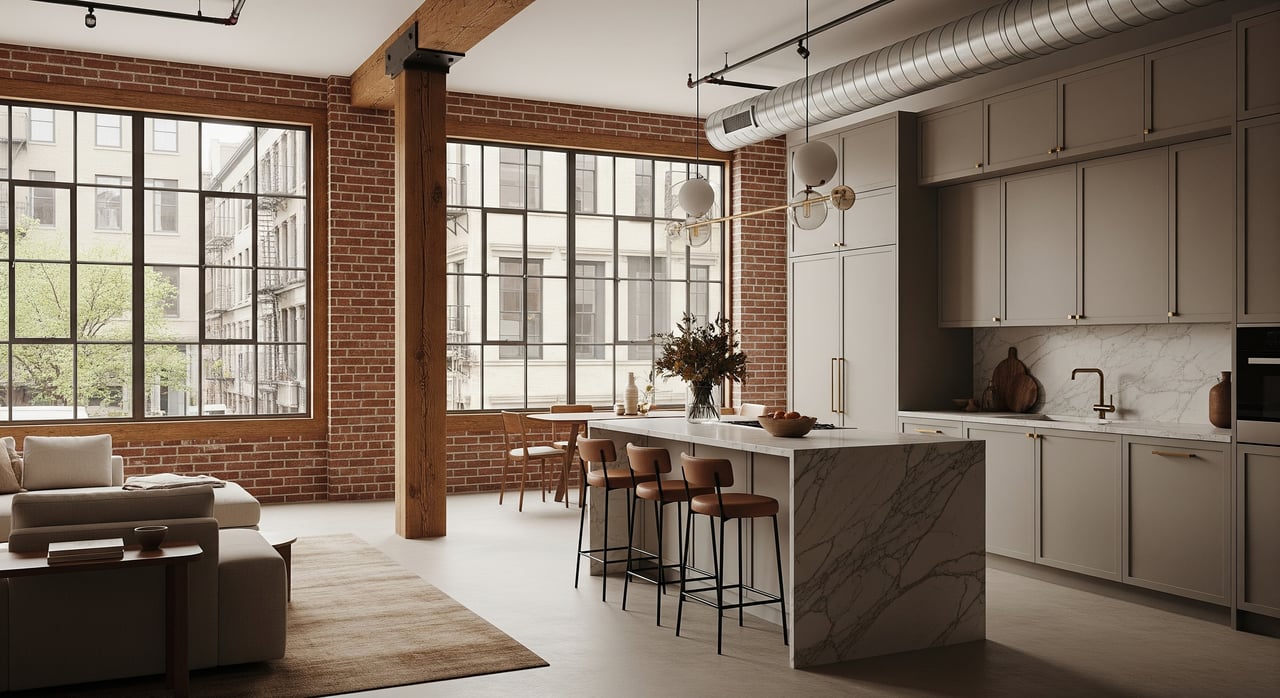
Today’s practical luxury preferences still favor in‑unit livability. Buyers respond to real work zones, a standout primary suite, a high‑function kitchen, and private outdoor space. When you deliver these core attributes, you often outperform a long amenity list in both absorption and long‑term satisfaction.
Price within bands
Frame your offering within recognizable Manhattan tiers rather than chasing headline PSF from skyline towers. Use the borough trends to identify thresholds where buyers shift from paying for height and hotel‑style amenities to paying for privacy, layout, and turn‑key quality. New development often carries a clear premium to resales, which you can justify when scarcity, superior plans, and owner economics line up. Ground your price narrative in the decade context from Elliman and Miller Samuel.
Curate amenities that work
Avoid the amenity arms race. Offer fewer, higher‑use features with predictable costs and optional services where it makes sense. Amenity ROI guidance favors low‑maintenance and reservation‑based spaces that align with real usage patterns. Learn why a curated set can outperform a sprawling suite in the Leni overview.
Boutique‑friendly amenity examples:
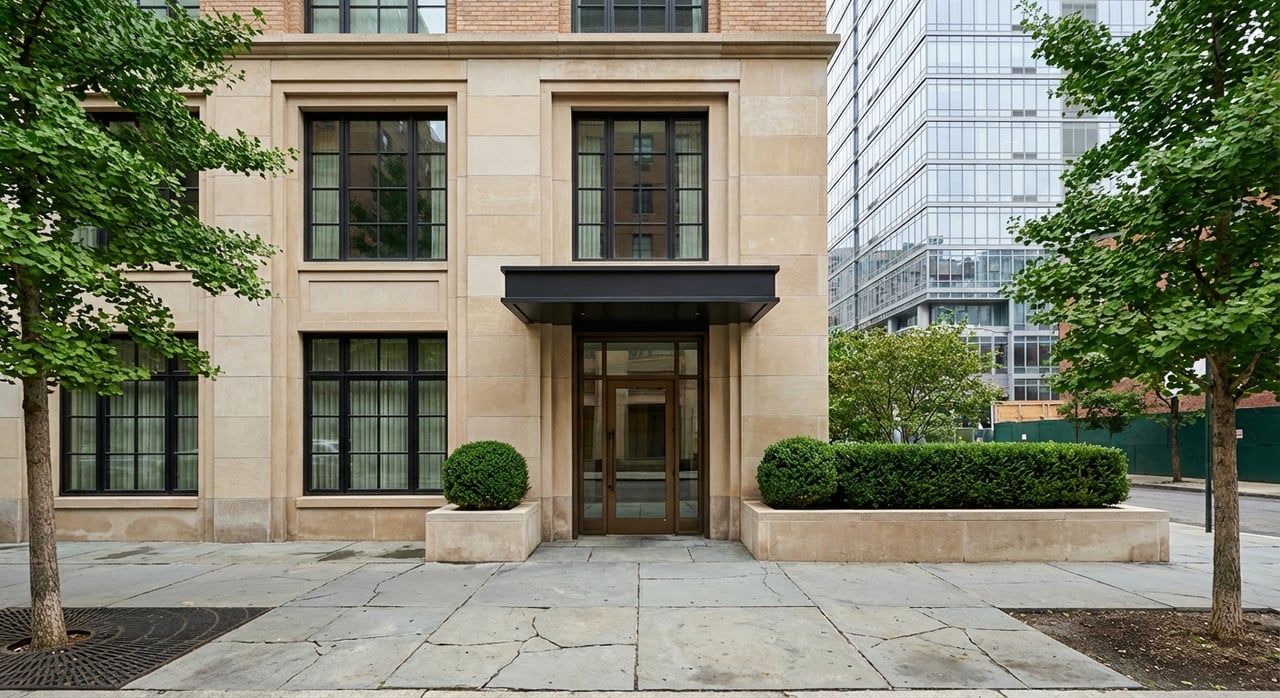
- Private arrival and keyed elevator access with attentive concierge service.
- One well‑equipped fitness and wellness studio that is bookable, plus a small treatment room run by a third‑party operator.
- A reservation‑based private dining or chef’s suite instead of a full restaurant.
- Owner storage, bicycle room, dog wash, and a secure package room.
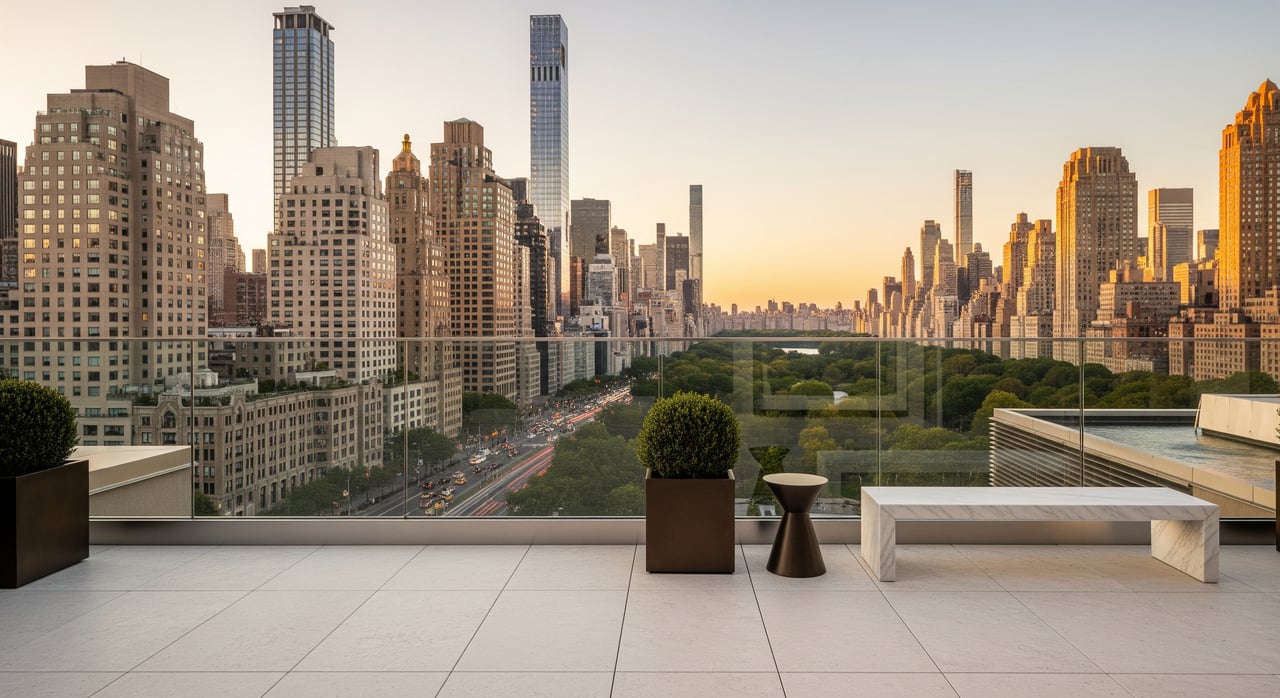
- Usable private outdoor spaces, from terraces to a planted courtyard sized for actual dining or relaxation.
Operational reminder: any staffed feature increases ongoing expense. Model staffing, utilities, cleaning, and insurance. Where appropriate, pivot to fee‑based or partner‑operated services to protect common charges, consistent with Leni’s guidance.
If you need a visual on how big‑tower amenity programs escalate, scan the press materials for a marquee tower like 53 West 53. Use that contrast to showcase how your curated set delivers daily value without megatower overhead.
Design floor plans that sell
Layout often beats raw square footage for boutique buyers. Prioritize privacy and circulation over sheer size, with a focus on the primary suite experience and clear separation between entertaining and sleeping zones. The decade trends and on‑the‑ground feedback show that buyers will trade height for a floor‑through or split‑two‑bedroom plan that lives like a home. Ground your plan choices in the patterns summarized by Elliman and Miller Samuel.
What to emphasize:
- A large primary suite with a spa‑level bath, generous closet capacity, and acoustic separation.
- Full‑floor or few‑per‑core layouts when feasible to amplify privacy, a preference noted in the Observer’s piece on small luxury buildings.
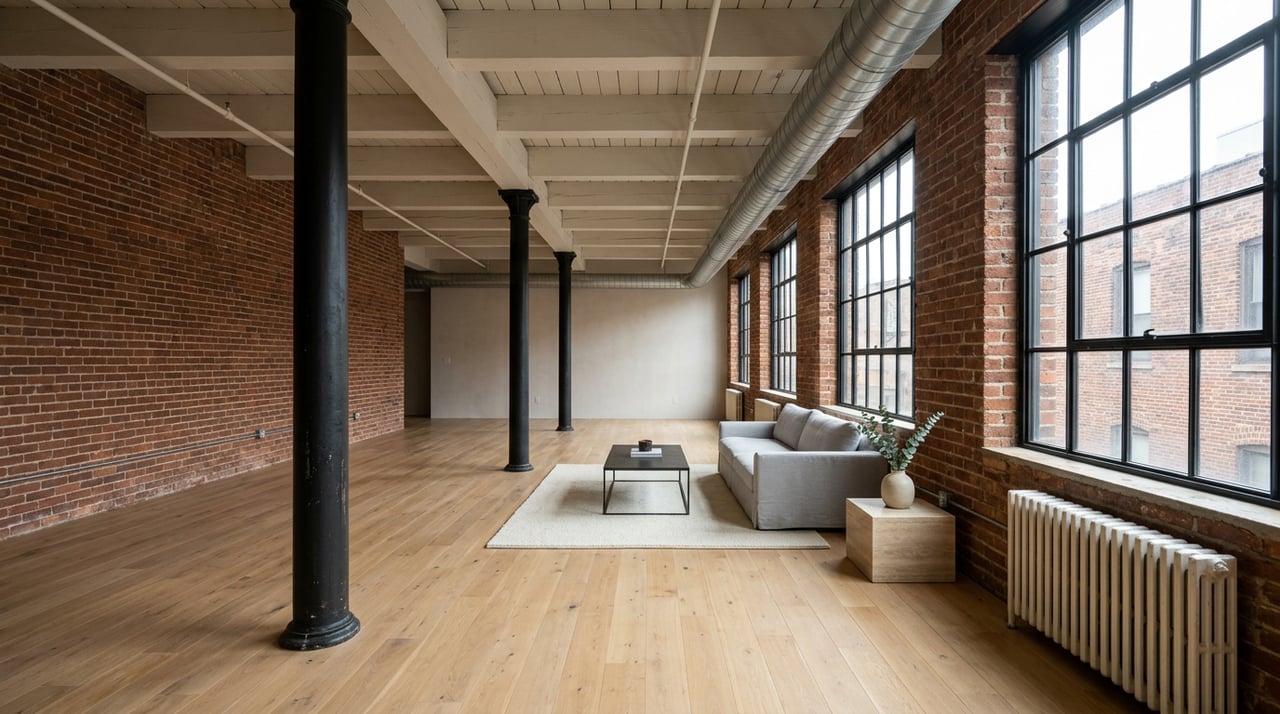
- Flexible secondary rooms that convert to an office, nursery, or guest suite rather than endless open loft space.
- Ceiling heights, window proportions, and thoughtful entries with a real foyer and a service pantry. These decisions raise perceived quality and resale durability.
Show the owner economics
High‑net‑worth buyers read past the brochure. Share a clear view of common charges, taxes, reserves, and a simple 10‑year O&M schedule. Explain the cost logic behind your curated amenity set and where optional services keep fees lean. This transparency builds trust and helps your buyer’s advisors green‑light the purchase. For amenity cost structure and fee strategies, align with the principles outlined by Leni.
Broker playbook to outpace towers
- Stage a discrete prelaunch
- Invite a short list of top local and select global broker teams to a private preview with either a model residence or a polished virtual tour. Emphasize privacy, limited inventory, superior layouts, and predictable operating costs compared with megatowers.
- Time your push
- Use weekly luxury cadence to choose launch windows, and track $4M+ contract activity through the Olshan report.
- Release in confident tranches
- Open with a small, well‑priced tranche to build comps and momentum. Follow with measured steps as absorption confirms your plan. Do not match tower PSF without real differentiation.
- Consider selective off‑market opportunities
- Pocket periods can preserve discretion and support pricing when inventory is scarce. Keep windows short and documented.
Narrative that lands
Your story should be simple and verifiable:
- Privacy and limited scale that feel personal, not anonymous.
- Superior floor plans with a standout primary suite and flexible rooms that support real life.
- Lower friction for day‑to‑day living through storage, service spaces, and private outdoor areas.
- Curated amenities with lower long‑term O&M exposure and the option to add service a la carte.
Package this with audited operating projections, neighborhood‑level comps, and a clean data room. That is the language buyers and their advisory circles trust.
Boutique vs. megatower risk
Ultra‑tall trophies can deliver record views, but resale outcomes on Billionaires’ Row have been mixed over time. Several towers have underperformed early expectations, which underscores how product design, layout quality, building operations, and litigation or defect history shape value. Use this backdrop to advocate for boutique longevity based on livability and owner economics. For a deeper look at resale dispersion, review the Real Deal analysis of Billionaires’ Row.
Next steps
If you align your price band with real buyer psychology, curate only the amenities that matter, and deliver floor plans that live beautifully, you will compete head‑to‑head with megatowers and often win. The path is focus, clarity, and trusted execution.
If you would like a discreet assessment of your project’s pricing, mix, and launch plan, connect with our team at Aloha Luxury Estates. We bring developer‑grade strategy with hospitality at the center, so you can sell with confidence.
FAQs
What makes a boutique condo competitive against a Manhattan megatower?
- Privacy, superior floor plans, curated amenities with lower O&M, and transparent owner economics help boutiques compete, as supported by market patterns in the Elliman and Miller Samuel decade report and privacy preferences noted by the Observer.
How should I price a boutique unit relative to new‑development comps?
- Anchor your ask in neighborhood comps, then justify a premium with scarcity, layout differentiation, and owner economics, using borough‑level trends from Elliman and Miller Samuel to frame tiers and absorption.
Which amenities deliver ROI in small luxury buildings?
- Focus on private arrival, a compact bookable wellness studio, storage and package rooms, and real private outdoor space. Favor low‑maintenance or fee‑based services per Leni’s amenity ROI guidance.
How can I reduce common charges without hurting appeal?
- Replace large, staffed amenities with reservation‑based or partner‑operated services, and model a 10‑year O&M plan to show stability, following strategies suggested by Leni.
When is the best time to launch sales for a boutique project in NYC?
- Coordinate previews and releases with weeks showing stronger $4M+ activity in the Olshan Luxury Market Report, then sequence tranches as momentum builds.
How does privacy influence luxury condo decisions in Manhattan?
- Many high‑net‑worth buyers prefer smaller buildings for discretion and fewer shared neighbors, a dynamic discussed in the Observer’s reporting on boutique appeal.